

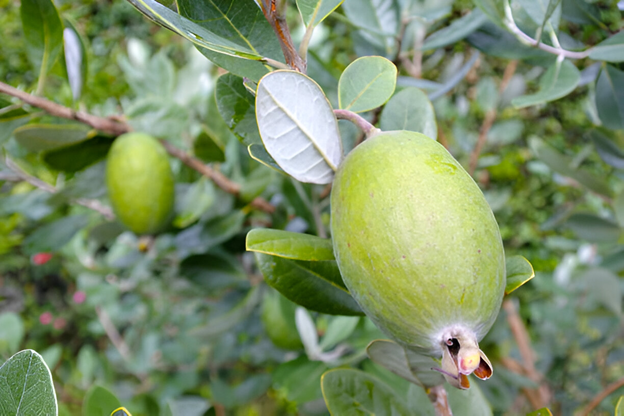
Due to their sweet, flowery taste and adaptability to grow in many different environments, feijoas make a very good selection by gardeners in New Zealand. These thorny shrubs do not only offer delicious fruit but they also create attractive hedges. Most are low maintenance but they require knowledge of how they are grown and what conditions may hinder fruiting to ensure large crop year every time.
Gardeners’ Tools and Instruction
More than simply plants, The Plant Company provides useful tools to enable NZ gardeners succeed. Their website has a useful Plant Finder tool to help you choose the best plants for your area and space. It also has expert tips on how to care for and keep them in good condition. They even provide landscape design ideas to assist you in creating a garden that looks lovely and works in tandem with your chosen plants. These tools simplify the work and make it more gratifying whether you are planting one shrub or creating a whole Feijoa tree orchard.
Common Problems with Growth
Sometimes feijoas show symptoms of stress including poor growth or thin foliage. Often this is reduced to poor water availability during drought seasons or poor soil nutrition or competition with other nearby trees. Healthy leaves, and copious flowering, will be favored by a good, easy-worked, winter-applied fertilizer. The base (but not trunk) of plants can be mulched to retain moisture in the soil and to suppress weeds.
Challenges with Fruit Set
A heavy fruit crop is not always ensured by a healthy plant. Low yields are most frequently caused by inadequate pollination. Although some kinds are self-fertile, others gain from cross-pollination, therefore more than one variety planted will produce improved results. Low pollination rates can also lower fruit set; this is often caused by wet or windy weather during flowering. One way to increase pollination rates is to plant nectar-rich blooms close by therefore inspiring bees.
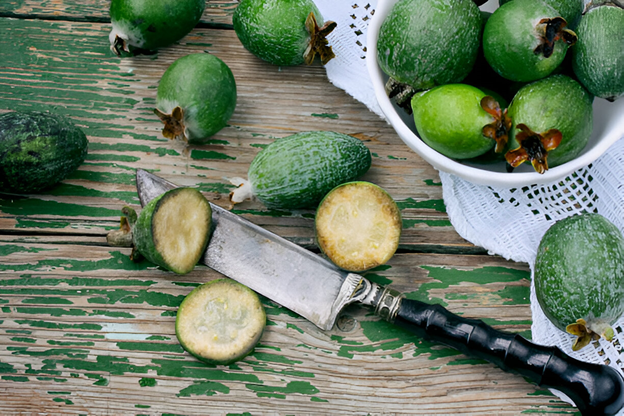
Pests and Diseases to Watch For
These hardy plants are generally trouble-free, but carry the potential to get attacked by pests like scale insects and guava moth. Therefore, monitor the fruits and leaves regularly to allow early detection of the problems. Horticultural oil can be used to treat scale insects, whereas guava moth has to be trapped or excluded. The fungal diseases are uncommon but may develop in excessively wet environments and therefore maintain good air circulation and prevent waterlogging.
Right Time for Harvesting
One of the best ways to pick feijoa is to use their natural resistance to gravity and allow them to fall on the ground. When ripe, the fruit will fall and this may occur between late autumn and the early winter months. Harvesting at the wrong time may result in under-ripe flavor, and excessively long periods of leaving the ripen feijoa to fall will result in bruising of fruits or the attack by pests.
Final Thoughts
Achieving success in growing feijoas boils down to knowing their requirements and monitoring the problems that may occur. Resolving these issues early before they get complicated is essential. Properly taken care of, through exposure to sufficient sun, water, good soil nutrition, and great pollination will make you enjoy plenty of this unique fruit.
