

Obesity is a complex health condition that can increase the risk of several chronic diseases, including diabetes, heart disease, and sleep apnea. While many people begin their weight-loss journey with diet, exercise, and lifestyle changes, some may require additional medical support to achieve sustainable results. In such cases, bariatric procedures can provide effective treatment options. Two approaches often discussed today are endoscopic sleeve gastroplasty (ESG) and traditional bariatric surgery. Although both procedures aim to support weight loss by reducing stomach capacity, they differ in technique, recovery expectations, and suitability for different patients. In this article, we will explore how these procedures work and highlight the key differences patients should understand when considering their weight-loss treatment options.
Understanding Endoscopic Sleeve Gastroplasty
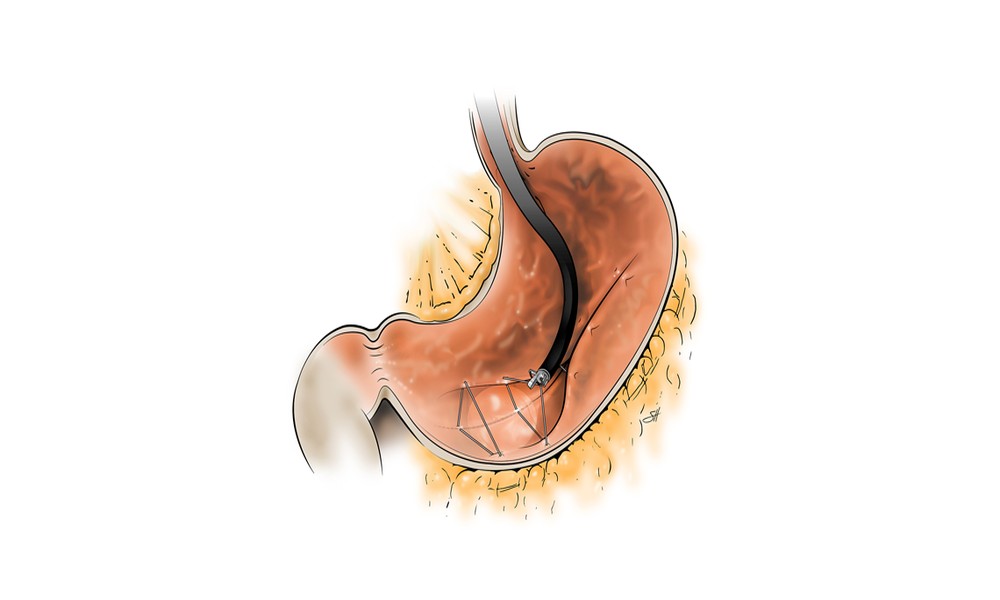
Endoscopic sleeve gastroplasty (ESG) is a minimally invasive weight-loss procedure in which the size of the stomach is reduced without surgical incisions. The procedure is performed using an endoscope, a flexible tube with a camera and specialized instruments that is inserted through the mouth and into the stomach. During ESG, a series of internal sutures are placed in the stomach to reshape it into a smaller, sleeve-like structure. This reduction in stomach capacity helps patients feel full sooner and supports portion control during meals. Like other medical treatments for obesity, ESG works best when combined with long-term lifestyle changes, including balanced nutrition, regular physical activity, and ongoing clinical follow-up. For patients seeking endoscopic sleeve gastroplasty in Dallas, Fort Worth, Mansfield, and Plano, choose a reputable bariatric center, like the DFW Bariatrics and General Surgery, that offers comprehensive evaluation and medically supervised weight-loss care.
What is Traditional Bariatric Surgery?Traditional bariatric surgery refers to a group of surgical procedures designed to support weight loss by altering the structure or function of the digestive system. Two of the most common bariatric procedures are:
Sleeve gastrectomy
Sleeve gastrectomy is a surgical weight-loss procedure in which a large portion of the stomach, typically about 70 to 80 percent of the volume, is removed. The remaining section of the stomach is shaped into a narrow, tube-like structure, often referred to as a “sleeve.” This smaller stomach holds less food, which helps patients feel full sooner and reduces overall calorie intake. The procedure also influences hormones that regulate hunger and appetite, which can further support weight-loss efforts.
Roux-en-Y gastric bypass
Roux-en-Y gastric bypass works through a different mechanism. During the procedure, a small pouch is removed from the upper portion of the stomach and connected directly to a section of the small intestine. This allows food to bypass most of the stomach and the first part of the small intestine. As a result, the procedure both limits the amount of food a person can eat and reduces the number of calories and nutrients absorbed by the body. This combined effect can help support significant weight loss and improvement in certain obesity-related health conditions.
Key Differences Between ESG and Bariatric Surgery
Endoscopic sleeve gastroplasty and traditional bariatric surgery differ in several important aspects. These include:
| Factor | Endoscopic Sleeve Gastroplasty | Traditional Bariatric Surgery |
| Procedure method | Performed endoscopically using a flexible tube inserted through the mouth | Performed surgically using laparoscopic techniques with small abdominal incisions |
| Stomach modification | Stomach is reshaped with internal sutures to create a sleeve-like structure | May involve the removal of part of the stomach or rerouting of the digestive tract |
| Tissue removal | No stomach tissue is removed | Sleeve gastrectomy removes part of the stomach; gastric bypass alters digestive anatomy |
| Invasiveness | Minimally invasive endoscopic procedure | Surgical intervention involving incisions |
| Recovery considerations | Often involves shorter recovery periods for many patients | Recovery typically requires more structured post-operative care |
| Treatment approach | Focuses on stomach volume reduction through suturing | Combines stomach size reduction and, in some procedures, changes in nutrient absorption |
Who May Be a Candidate for Each Procedure?
Determining the most appropriate weight-loss procedure depends on several medical and lifestyle factors, such as:
Endoscopic sleeve gastroplasty (ESG) may be considered for individuals who:
- Have a BMI that indicates overweight or obesity but may not meet the criteria for surgical bariatric procedures
- Have struggled to achieve meaningful weight loss through diet and exercise alone
- Are seeking a minimally invasive, medically supervised weight-loss intervention
- Are committed to long-term lifestyle changes, including dietary adjustments and regular physical activity
Traditional bariatric surgery may be recommended for individuals who:
- Have a higher BMI associated with severe obesity
- Experience obesity-related conditions such as type 2 diabetes, hypertension, or sleep apnea
- Have not achieved sufficient weight loss with non-surgical approaches
- Are medically suitable for surgical intervention and post-operative care
Benefits and Limitations of Each Weight-Loss Approach
Each approach offers distinct benefits while also requiring patients to consider certain limitations before making a treatment decision. The key points are listed below:
Benefits of Endoscopic Sleeve Gastroplasty
- Minimally invasive procedure performed through the mouth
- No external surgical incisions or removal of stomach tissue
- Reduced stomach volume that supports portion control
- Typically shorter recovery periods for many patients
Considerations of ESG
- Weight-loss outcomes may vary depending on individual adherence to lifestyle changes
- Requires ongoing commitment to nutrition, exercise, and follow-up care
Benefits of Traditional Bariatric Surgery
- Well-established procedures with long-term clinical research
- Often associated with significant and sustained weight loss
- Can improve obesity-related conditions such as type 2 diabetes, high blood pressure, and sleep apnea
Considerations of Bariatric Surgery
- Involves surgical incisions and anatomical changes to the digestive system
- Requires structured recovery and long-term medical monitoring
Read more: Bariatric Surgery: The Most Effective Option for Obese Patients
Choosing the Right Weight-Loss Procedure for Your Health Goals
Selecting between ESG and traditional bariatric surgery is a personal decision that should be guided by qualified medical advice and a clear understanding of each treatment option. If you live in Dallas, Fort Worth, Mansfield, or Plano, consider consulting a reputable bariatric specialist who can evaluate your medical history and recommend the most appropriate approach. When choosing a provider, review factors such as the facility’s treatment options, the specialist’s experience in bariatric care, and their clinical track record. Access to experienced guidance and comprehensive services can help ensure that patients receive personalized recommendations and a treatment plan that supports safe and sustainable weight management.
