

A bouquet that looks harmless can still set off sneezing, rashes or headaches once it is brought indoors. Many triggers are not apparent to casual buyers—pollen is only one of several culprits, alongside sap, plant proteins, mould and booming fragrance. It pays to ask a florist in Singapore for low-risk choices and simple modifications if you are sending a flower bouquet to a workplace, hospital or small flat.
Why bouquets can trigger reactions
Beyond airborne pollen, irritants include contact allergens in sap, fine dust from dried elements, volatile oils from fragrant stems and spores from ageing petals. Indoor environments amplify exposure because ventilation is limited and air-conditioning recirculates particles. The result is irritated eyes, runny noses, wheezing or dermatitis, particularly for recipients with hay fever, asthma or eczema. Good conditioning, clean water and prompt removal of spent blooms reduce the secondary risks of mould and bacterial growth.
Blooms and greenery to watch
Common offenders include oriental lilies with exposed anthers, members of the Asteraceae family such as chrysanthemums, daisies and sunflowers, and baby’s breath which sheds fine material as it dries. Spring bulbs, like hyacinth, stock and tuberose, can overwhelm fragrance-sensitive recipients. Tulips and alstroemeria are linked to “florist’s dermatitis”, while daffodils may irritate skin due to needle-like crystals. Eucalyptus can bother sensitive noses, certain evergreens contain sticky resins, and ornamental grasses or seed heads release dust when handled or moved.
Fragrance sensitivity is not the same as pollen allergy
Some customers assume scent equals pollen, but these are separate issues. Strong odour can cause headaches or throat irritation even when pollen is not abundant, while lightly scented stems may still trigger symptoms by contact. Specify whether the concern is hay fever, asthma, migraines or eczema when ordering from a florist; that clarity helps the designer select stems and handling methods that address the right risk.
Lower-risk choices and simple modifications
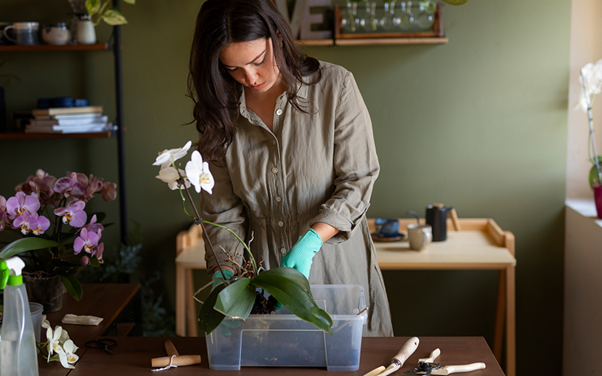
Risk can be reduced rather than eliminated. Orchids, many modern roses bred for low pollen, ranunculus, lisianthus, calla lilies, snapdragons, and carnations are frequent low-pollen options. Hydrangeas and peonies can be acceptable when fresh and well-conditioned, though their dense heads need vigilant care to prevent mould. Technique matters: remove lily anthers before they shed, prefer double-flowered forms with trapped stamens, avoid dusty dried fillers, and use clean, sturdy foliage such as ruscus or aspidistra to build volume without adding scent load. Clear vases, fresh water and floral food support hygiene and longevity.
Ordering guidelines from a local florist’s perspective
Be explicit at the point of purchase. State that the flower bouquet is for an allergy-prone recipient, request low-pollen stems and minimal fragrance, and ask the designer to avoid dried grasses or seed heads. Once ordering online, add these instructions in the notes and confirm by phone if possible; most studios will offer substitutions even on same-day orders. Request anthers to be removed where relevant, for residue to be rinsed from stems, and for packaging that does not shed fibres or glitter. A knowledgeable florist can also advise on venue rules, as some offices and hospitals strongly discourage scented arrangements.
Placement, care and after-delivery precautions
Once delivered, keep arrangements away from fans and air-conditioning vents that circulate particles, and avoid bedrooms if the recipient has hay fever. Change water every one to two days, trim stems, remove spent blooms promptly, and wipe the vase rim to limit biofilm. Handle open lilies and seed heads carefully to prevent shedding on clothing or surfaces. Once symptoms occur, move the bouquet to a ventilated area, wipe surfaces with a damp cloth to lift pollen effectively, and seek medical advice if reactions persist.
Conclusion
Hidden allergens in floral gifts are manageable when the right stems and techniques are used, and when care after delivery is taken seriously. Clear communication with a florist in Singapore, coupled with low-pollen selections and simple handling steps, allows you to send considered arrangements without compromising the recipient’s comfort. Your flower bouquet can be both attractive and tolerable for sensitive recipients with a precise brief and disciplined aftercare.
Contact JM Flower to request an allergen-aware bouquet today.
