

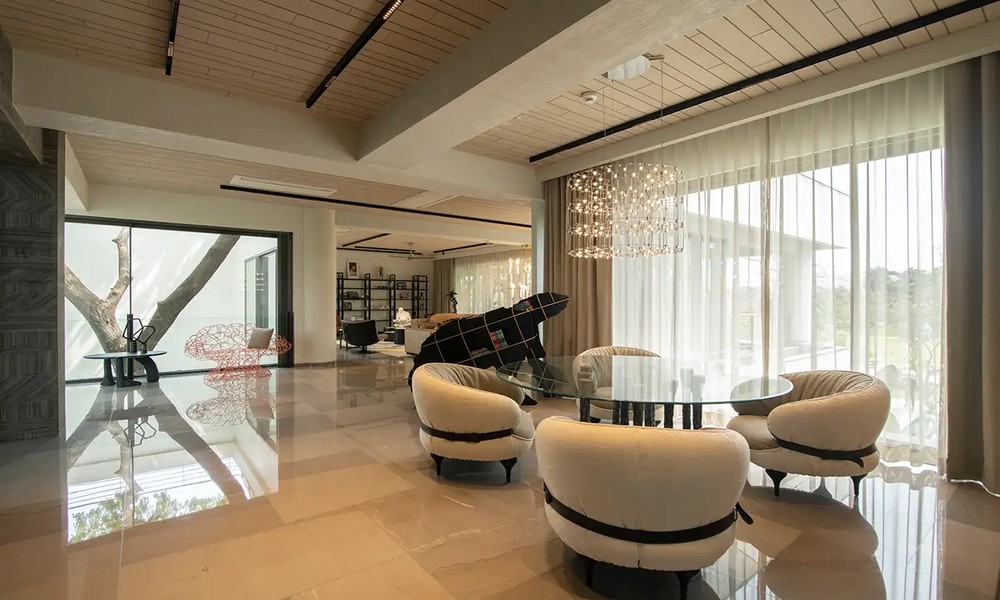
From the glint of polished brass on a classic divan to the seamless integration of smart features in a designer sofa, luxury seating has always held a mirror to the era that shapes it. As contemporary interiors evolve, the very definition of premium comfort and style is being rewritten, blending tradition with bold innovation.
Early Influences on Luxury Seating Design
The Origins of Comfort and Elegance
Long before “statement pieces” became a buzzword, luxury seating signaled power and refinement. Early aristocrats lounged on ornate chaise longues, upholstered in sumptuous fabrics and carved with intricate motifs that told stories of culture and status. The divan, originating from the Middle East and later embraced by European salons, set the tone for merging comfort with high art.
Impact of Traditional Craftsmanship
What set early luxury apart from the commonplace? Highly specialized artisans devoted countless hours to hand-tufted cushioning, precision joinery, and detailed embroidery. Their mastery ensured that no two pieces were exactly alike, turning seating into heirlooms rather than simple furniture.
The Role of Iconic Divans and Sofas
Iconic silhouettes, like the Chesterfield and the fainting couch, became fixtures in stately homes and fashionable hotels, their deep-buttoned backs and rolled arms setting new standards for both comfort and sophistication. These classics paved the way for every future reinvention.
Mid-Century Innovations and Material Evolution
As the twentieth century gathered pace, so did designers’ willingness to experiment. Suddenly, seating was not just about tradition but about the thrill of the new.
Introduction of New Materials and Textiles
With advances in manufacturing, materials like molded plywood, tubular steel, and synthetic fibers entered the luxury seating world. Classic leathers and velvets now shared space with sleek plastics and bold-patterned textiles, reflecting a postwar appetite for progress and optimism.
Shift Toward Minimalism and Functionalism
Mid-century designers, inspired by the Bauhaus and Scandinavian movements, began stripping away excess. Seating adopted cleaner lines and lighter forms, focusing on elegant simplicity that prioritized both usability and beauty.
Influence of Technological Advances on Comfort
Innovations in foam technology and ergonomic design quietly revolutionized sitting itself. Reclining mechanisms and modular components offered a new level of personalization, inviting users to interact with their furniture in ways that had never existed before.
Contemporary Trends Transforming Luxury Seating
Today, the definition of luxury is not just about material wealth but about meaning, experience, and individual expression.
Fusion of Art and Functionality
Seating is now sculptural, blurring the boundaries between art installation and everyday use. Designers experiment with bold forms, unexpected color palettes, and asymmetrical structures, resulting in showpieces that command attention in any space.
Sustainable and Eco-Friendly Materials
Ethical consumption has entered center stage. Brands and consumers alike seek out FSC-certified woods, upcycled fabrics, and low-impact finishes. A beautifully crafted piece is now expected to be as gentle on the planet as it is on the eye.
Customization and Bespoke Design Experiences
No two homes, or clients, are alike. The demand for fully customizable seating solutions drives collaborations between designers and companies, ensuring that everything from cushion density to upholstery pattern is tailored to personal taste.
The Digital Age: Smart Seating and Technological Integration
The line between furniture and technology is vanishing, and the future is more connected than ever.
Embedded Technology for Enhanced Comfort
Imagine sitting down and having your seat automatically adjust to your posture and preferred temperature. Embedded massage modules, charging ports, and even wireless speakers are turning luxury sofas into command centers for relaxation.
Connectivity and Smart Home Compatibility
Today’s premium seating integrates seamlessly with smart home ecosystems, responding to voice commands or syncing with lighting and climate control for a holistic living experience.
Virtual Reality in Design and Selection
Shoppers can now use virtual reality to preview sofas at scale and in different colors, ensuring confident, informed choices, without ever leaving home.
The Role of Designers and Brands in Shaping Future Aesthetics
Collaborations Between Architects and Furniture Makers
Architects and designers are blurring boundaries, producing limited-edition seating collections that fuse architectural vision with masterful construction.
Avant-Scène and Other Innovators Leading the Market
Names like Avant-Scene luxury sofas exemplify this new wave of innovation, blending timeless craftsmanship with innovation and forward-looking aesthetics. Their pieces act as both functional objects and conversation starters, inspiring designers and homeowners alike.
Emerging Global Influences on Style and Craft
With increased travel and digital access, inspiration flows freely across continents. African weaving techniques, Japanese minimalism, and Scandinavian warmth coexist in living rooms around the world, shaping a vibrant, cross-cultural aesthetic.
Anticipating Future Directions in Luxury Seating
The Rise of Multifunctional and Adaptive Furniture
Space is at a premium, especially in urban living. The next decade will see multifunctional sofas that convert effortlessly into beds, workstations, or storage units without sacrificing style.
Wellness-Centered Design and Ergonomics
Well-being is no longer an afterthought. Expect to see more seating designed to support posture, encourage movement, and even monitor health metrics in real time.
Predictions for the Next Decade in Luxury Interiors
Luxury will continue to be redefined, not by excess, but by intentionality, adaptability, and conscience. Seating will be smarter, more sustainable, and ever more attuned to the needs of those it serves, all while honoring the artistry and heritage of its origins.
