

How to Evaluate a Certified Pre-Owned Luxury Vehicle in Denver, ColoradoKey Takeaways
- Evaluate the entire vehicle, not just its mileage, appearance, or monthly payment.
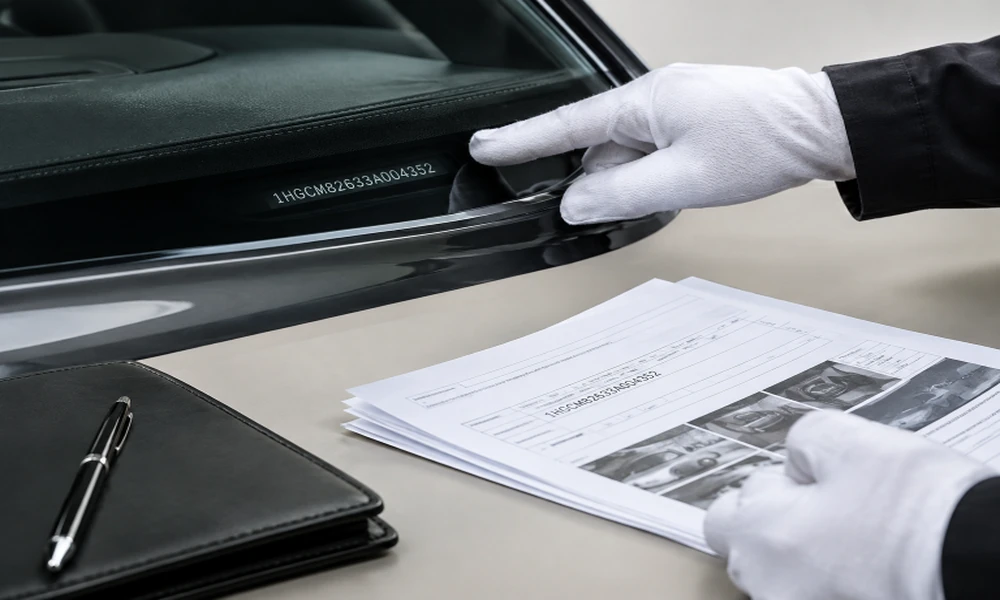
- Match the VIN across the vehicle, title, service paperwork, history report, and contract.
- Read the certification and warranty terms before making an offer.
- Test mechanical systems, interior amenities, driver-assistance technology, and electronics.
- Budget for insurance, maintenance, tires, brakes, fuel, and repairs in addition to the purchase price.
- Use an independent pre-purchase inspection as another layer of protection.
Shopping for a luxury vehicle in Denver calls for more than admiring the paint, leather, and badge. Whether the vehicle will spend most of its time on city streets, I-25, or weekend drives toward the mountains, buyers should verify its condition, maintenance history, technology, and long-term ownership costs before signing.
A pre-owned Bentley with warranty can offer added confidence for drivers who want premium craftsmanship with documented inspection and coverage benefits. Still, certification should be one part of a careful buying process, not a substitute for reviewing the records, driving the vehicle, and understanding the final contract.
Why a Careful Review Matters
Luxury vehicles often include sophisticated suspension systems, advanced safety equipment, large infotainment displays, connected services, and detailed interior components. A spotless exterior cannot confirm that every feature works correctly or that prior maintenance was completed on time. A deliberate review can help a Denver buyer identify concerns before a vehicle becomes part of the household budget.
Set a Complete Purchase and Ownership Budget
Start with the out-the-door price, rather than the advertised price or payment alone. Add taxes, registration, financing costs, insurance, fuel, scheduled service, tires, brakes, and a reserve for repairs that are not covered by warranty. Ask for an insurance estimate using the specific VIN when possible, since coverage costs can differ between similar models.
Questions to Ask Before Negotiating
- What is the total price after all dealer fees, taxes, and registration costs?
- Which service items may be due within the next year?
- Are the tires and brakes likely to need replacement soon?
- What is the total financing cost over the life of the loan?
Match the Vehicle to Denver Driving Needs
Consider how the vehicle will actually be used. A sedan may suit commuting and parking needs, while an SUV may offer more passenger room, cargo flexibility, and confidence for trips involving changing weather or uneven roads. Test visibility, seat comfort, cargo access, ride quality, and parking ease. Prioritize equipment that supports daily use instead of features that only look impressive in an online listing.
Review the Vehicle History and VIN
Compare the vehicle identification number on the dashboard and door label with the title, history report, service invoices, certification documents, and sales contract. Look for reported accidents, title concerns, odometer inconsistencies, flood damage, or signs of commercial use. Service invoices can provide more detail than a summary report, particularly when they show what work was completed and when.
Buyers should also use the VIN to check for open safety recalls before purchase. If a recall remains unresolved, ask how and when it will be completed, and have that commitment documented if it affects the transaction.
Compare Certification Programs Carefully
Certified pre-owned programs are not identical. Some are manufacturer-backed, while others may be administered by a dealership or outside warranty provider. Ask for the written inspection results, eligibility requirements, warranty start and end dates, covered components, exclusions, deductibles, roadside assistance terms, repair-location rules, and transfer conditions. A meaningful certification program should be clear about what it includes and what it does not.
Inspect the Exterior, Tires, and Interior
View the vehicle in daylight and on level ground. Check panel gaps, paint consistency, trim, glass, lighting, wheels, seals, and underbody panels. Uneven tire wear can justify closer inspection of alignment, suspension, or prior driving conditions. Inside, examine the leather, stitching, carpeting, headliner, screens, switches, and storage areas. Musty odors, water marks, or damp carpeting deserve follow-up questions.
Test Every Major Feature
Operate the climate controls, windows, locks, mirrors, seat adjustments, memory settings, cameras, parking sensors, and audio system. If equipped, test heated, ventilated, or massage seats, adaptive cruise control, blind-spot monitoring, lane-support features, navigation, Bluetooth, charging ports, and connected services. Confirm that warning lights disappear after startup and ask whether subscriptions or account transfers are needed for certain functions.
Make the Test Drive Count
- Start the vehicle cold when practical and listen for unusual startup sounds.
- Drive on local streets, rough pavement, hills, and highway sections when possible.
- Assess acceleration, transmission shifts, steering response, braking, suspension comfort, and road noise.
- Watch for pulling, vibration, rattles, warning messages, or inconsistent handling.
- After parking, check for leaks, unfamiliar odors, or new dashboard alerts.
Arrange an Independent Pre-Purchase Inspection
Even a certified vehicle can benefit from an independent evaluation by a technician familiar with the make. Request a written report covering the engine, transmission, brakes, steering, suspension, tires, undercarriage, leaks, and electronic systems. A diagnostic scan for stored or pending fault codes can also provide useful context. Use the findings to request repairs, revise the price, or walk away if concerns are significant.
Read the Warranty and Buyer’s Guide
Know whether the vehicle is covered by a manufacturer warranty, dealer warranty, service contract, or an as-is arrangement. Review exclusions for wear items, modifications, cosmetic concerns, maintenance-related issues, and owner neglect. The Buyer’s Guide displayed on a used vehicle can help clarify warranty language and dealer disclosures. Every promised repair, accessory, service plan, or benefit should appear in the final paperwork.
Compare Long-Term Ownership Costs and Warning Signs
Compare similar vehicles by age, mileage, equipment, condition, service history, and expected maintenance. Account for tire specifications, brake components, batteries, fluids, fuel requirements, insurance, and access to qualified service. Pause the deal if the VIN does not match, records contain unexplained gaps, warning lights remain on, warranty terms are unavailable in writing, or the seller refuses an independent inspection.
Final Purchase-Day Checklist
- Confirm the full out-the-door price and every fee.
- Match the VIN across the vehicle and all documents.
- Review service records, title information, history details, and open recalls.
- Read certification, warranty, and contract documents before signing.
- Verify that promised repairs or benefits are written into the agreement.
Common Buyer Questions
Is certified pre-owned always the best choice?
Not automatically. Certification may add inspection standards and warranty support, but overall value still depends on condition, history, pricing, coverage details, and expected ownership costs.
Does lower mileage always mean better value?
No. Mileage should be considered alongside age, maintenance records, driving patterns, current condition, and upcoming service needs.
What if the paperwork does not match?
Pause the transaction until the discrepancy is explained and corrected in writing. Do not rely on verbal assurances when vehicle identity, warranty coverage, or pricing is unclear.
Conclusion
Choosing a certified pre-owned luxury vehicle in Denver, Colorado requires more than a quick inspection and a favorable payment quote. Verify the history, test the systems, review the coverage, estimate ownership costs, and seek an independent opinion. The best vehicle should provide a strong driving experience along with clear records, fair terms, dependable condition, and ownership costs that fit your plans.
