

Choosing between purchasing container transport equipment and using rental services depends on how often your business moves freight, your budget, and how much flexibility you need. Companies with consistent shipping demands may benefit from owning their equipment, while businesses with changing workloads often find rental solutions more practical.
Understanding the differences between these options can help logistics operators reduce costs, improve efficiency, and avoid unnecessary equipment expenses.
When Buying a Container Chassis Is the Better Choice
Purchasing container transportation equipment can be a smart investment for businesses that move freight regularly. Owning equipment provides immediate access whenever a container needs to be transported, reducing reliance on external providers during busy shipping periods.
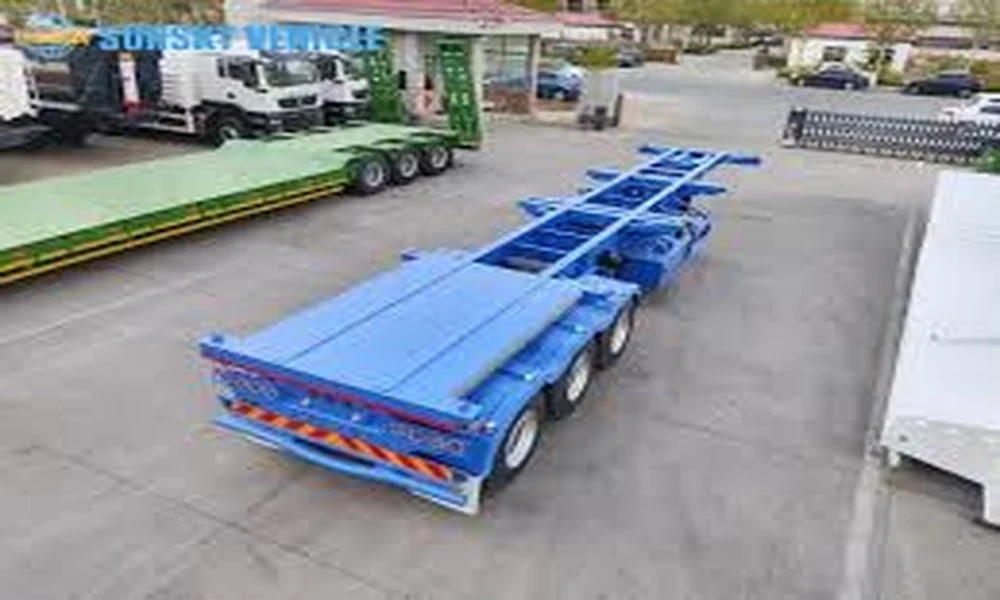
A 40-foot container chassis is commonly purchased by companies that frequently handle standard 40-foot containers. This equipment is designed to provide secure support during road transportation, making it a reliable option for businesses with predictable freight volumes.
Ownership can also provide better long-term control over equipment availability, maintenance schedules, and fleet management. However, companies must consider the upfront investment, storage requirements, and ongoing maintenance costs before making a purchase.
Why Businesses Choose Container Chassis Rental
For companies that do not require constant access to transportation equipment, container chassis rental offers a more flexible alternative. Instead of investing significant capital into equipment that may sit unused during slower periods, businesses can rent chassis only when they need additional capacity.
This approach is especially useful for companies dealing with seasonal demand, temporary shipping projects, or unpredictable freight volumes. Rental options allow businesses to scale their transportation capabilities without taking on the responsibilities associated with ownership.
Many logistics providers also prefer rental solutions because they can access different equipment types depending on their current shipping requirements.
What to Consider When Buying Container Equipment
Businesses considering ownership should evaluate more than just the initial purchase price. Looking for a container trailer for sale requires careful consideration of factors such as equipment condition, compatibility, expected usage, and future operational needs.
A well-maintained trailer can provide years of reliable service, but purchasing the wrong equipment may lead to additional costs from repairs, downtime, or limited usability.
Companies should also consider whether their shipping volume justifies owning dedicated equipment. If a container chassis will be used frequently throughout the year, purchasing may provide better long-term value compared to repeated rental expenses.
How to Choose the Right Option for Your Operations
The decision between buying and renting comes down to how your business manages freight movement. Companies with stable shipping schedules and high equipment utilization may benefit from owning assets, while businesses with fluctuating needs may prefer the flexibility of rentals.
Some logistics operators choose a combination of both approaches by maintaining essential equipment while using rental services during peak periods.
Whether investing in a 40-foot container chassis, exploring container chassis rental options, or purchasing a container trailer for sale, the best choice is the one that aligns with your shipping volume, budget, and long-term logistics strategy.
