

Key Highlights
- Creative activities encourage children to communicate ideas in different ways.
- Classroom environments influence exploration and collaborative learning.
- Open-ended materials encourage experimentation during preschool activities.
- Observation helps teachers understand children’s interests and participation.
- Group projects create opportunities for shared discussion and expression.
Introduction
Creative expression plays an essential role during early childhood education. Long before advanced verbal communication fully develops, young children naturally share their thoughts, emotions, and experiences through movement, storytelling, art, and imaginative play. The Hundred Languages philosophy actively encourages educators to recognise and nurture these diverse forms of communication during daily learning activities.
Families exploring options for a reliable preschool in Singapore frequently look for environments that champion this kind of child-led development. Many parents eventually discover the Reggio Emilia approach in Singapore as a highly effective educational framework. Creative exploration, collaborative learning, and inquiry-based activities consistently remain central components of classroom experiences inspired by this philosophy.
Understanding the Meaning Behind the Hundred Languages
The Hundred Languages philosophy refers to the multitude of ways children express ideas, observations, and emotions during early learning experiences. Communication extends far beyond spoken language, encompassing drawing, music, movement, dramatic play, sculpture, and hands-on exploration. Educators applying the Reggio Emilia approach in Singapore actively encourage children to experiment with materials freely while sharing these ideas through collaborative projects.
Creative exploration seamlessly becomes part of everyday classroom interaction rather than being treated as an isolated activity limited strictly to art sessions. While children attending preschools in Singapore frequently encounter structured routines, Reggio Emilia-inspired classrooms introduce greater flexibility. This unique environment encourages young learners to guide specific parts of the educational journey through their own curiosity and observation.
Teachers observe these emerging interests carefully before developing classroom discussions and projects around the children’s specific questions or discoveries. Expression also develops naturally through continuous interaction with classmates. Collaborative activities encourage vital conversation, negotiation, active listening, and idea-sharing during dynamic group learning experiences.
Creative Materials and Open-Ended Exploration
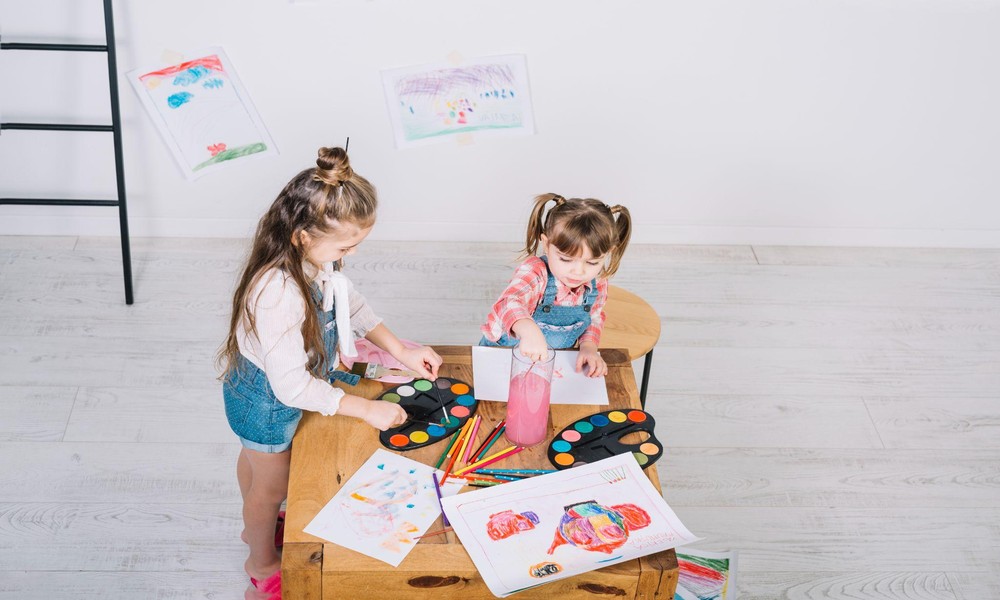
Classroom materials strongly influence the learning experiences connected to the Hundred Languages philosophy. Open-ended objects naturally encourage experimentation because children can utilise them in multiple ways depending on their imagination during activities. Educators following the Reggio Emilia approach in Singapore commonly introduce clay, paint, recycled materials, loose parts, natural objects, and sensory resources throughout the learning spaces.
These highly flexible materials empower children to explore texture, shape, movement, sound, and storytelling without strict instructions limiting their innate creativity. The physical learning environments also remain carefully organised to encourage exploration, collaboration, and independence throughout the school day. Children attending preschools in Singapore often move fluidly between activity areas involving art, dramatic play, construction, and sensory exploration.
To capture this dynamic process, documentation panels displayed around the classrooms may include photographs, sketches, and recorded conversations from various projects. This essential documentation helps educators reflect on ongoing learning progress while simultaneously allowing children to revisit previous ideas and experiences through engaging visual displays.
Collaboration and Communication During Classroom Projects
Group projects play a fundamental role in classrooms inspired by the Hundred Languages philosophy. Collaborative learning actively encourages children to exchange ideas, discuss observations, and solve problems together during shared activities. Teachers using the Reggio Emilia approach in Singapore frequently guide these discussions through open-ended questions that encourage young learners to explain their thinking processes clearly.
Conversations quickly become incredibly valuable learning experiences because children develop vital communication skills while listening to entirely different perspectives from their classmates. Project-based learning may even develop organically from simple, everyday classroom observations. A brief discussion about insects, weather, shadows, or buildings could gradually expand into elaborate drawing activities, storytelling sessions, and construction projects involving diverse creative forms of expression.
Preschools in Singapore that introduce these collaborative classroom projects often create fantastic opportunities for children to participate far more actively during discussions. Shared experiences foster genuine confidence while strengthening social interaction throughout daily routines. Ultimately, creative collaboration helps children recognise that meaningful communication can happen through multiple forms rather than relying entirely on spoken explanations.
Observation and Child-Led Learning Experiences
Observation remains a cornerstone of Reggio Emilia-inspired education. Teachers carefully watch how children interact with materials, classmates, and classroom discussions before extending activities through new questions or creative opportunities. By applying the Reggio Emilia approach in Singapore, educators usually avoid having heavily scripted lessons dominate every single classroom activity, opting instead for flexible planning.
This adaptable structure creates ample space for children’s authentic interests to influence learning experiences throughout the school day. Children attending preschools in Singapore benefit tremendously from environments that encourage curiosity and experimentation, as participation develops naturally through genuine engagement. Teachers meticulously document conversations, behaviours, and creative choices to properly understand how individuals communicate complex ideas during activities.
Learning experiences continually evolve through this cycle of observation and reflection. Specific classroom projects may last several days or even weeks depending entirely on the children’s interest levels and ongoing engagement. This sustained exploration encourages much deeper participation while introducing children to the beautifully varied forms of communication connected to the Hundred Languages philosophy.
Conclusion
The Hundred Languages philosophy encourages children to communicate ideas through creativity, collaboration, movement, storytelling, and hands-on exploration. Learning environments inspired by the Reggio Emilia approach create opportunities for children to express curiosity naturally while participating actively in classroom experiences.
Contact EtonHouse to nurture your child’s curiosity with preschool programmes designed around creative, child-led learning experiences.
