

How to Build a Realistic Dental Implant Budget in Sacramento, CaliforniaKey Takeaways
- Dental implant costs vary with the number of teeth replaced, clinical needs, materials, and treatment complexity.
- A starting price may not include imaging, extraction, grafting, sedation, the abutment, crown, or follow-up care.
- Dental insurance may help with certain services, but coverage limits and exclusions can affect your out-of-pocket cost.
- An itemized treatment estimate makes it easier to fairly compare Sacramento-area providers.
- Financing changes the timing of payments, not necessarily the total cost of care.
Replacing a missing tooth is a major health and financial decision. For Sacramento-area patients, a realistic budget starts with understanding that the final amount depends on the treatment needed, not a single advertised number. Reviewing dental implant pricing in Sacramento can be a useful starting point, but a personal exam and written plan are needed to identify the services your case may require.
Whether you live near Midtown, Elk Grove, Roseville, or another nearby community, planning ahead can make the process less stressful. Focus on the complete care sequence, your insurance benefits, your payment schedule, and the questions you need answered before committing to treatment.
Table of Contents
- Why Costs Vary
- What a Quote May Include
- Extra Procedures
- Insurance and Benefits
- Payment Options
- Comparing Estimates
- Questions to Ask
- Budget Checklist
- Warning Signs
- Final Thoughts
1. Why Dental Implant Costs Vary
There is no one price that fits every implant case. Replacing one tooth is different from restoring several teeth or supporting a full arch. The provider’s treatment approach, the type of restoration, the need for specialist care, and the number of appointments can all shape the total. In a large metro area such as Sacramento, patients should also account for travel, time away from work, and the convenience of follow-up visits when comparing options.
2. What a Dental Implant Quote May Include
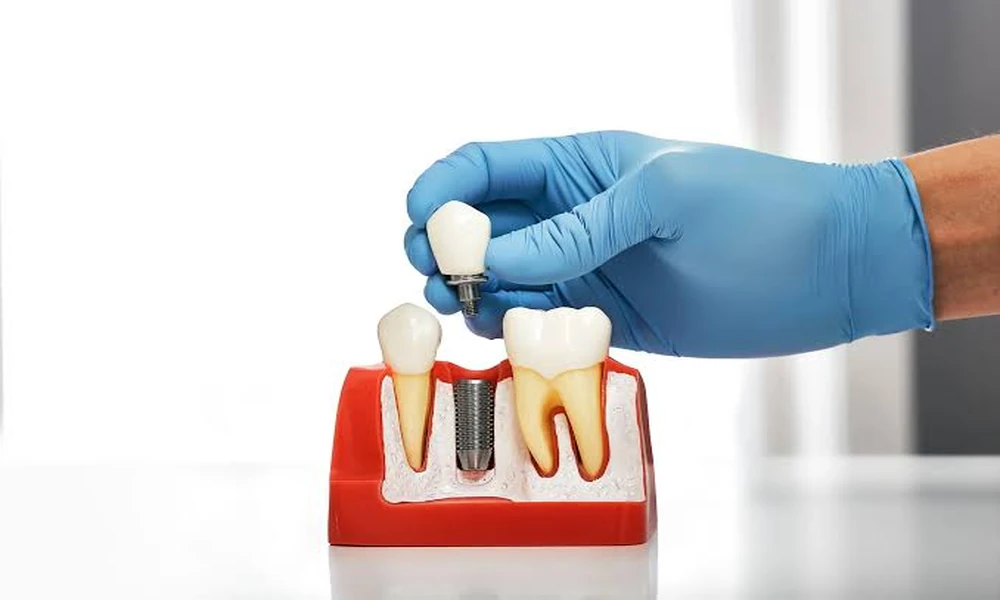
A complete estimate should show the major stages of care rather than combining everything into a vague total. Ask whether the written plan includes the consultation, digital imaging, extraction if needed, implant placement, healing components, abutment, final crown, temporary tooth, sedation, and follow-up adjustments.
Some offices coordinate every stage in one location, while others involve separate providers for surgery and the final restoration. Neither arrangement is automatically better, but patients should know who is responsible for each service and how each service will be billed.
Not every patient needs additional treatment, but certain findings can change the budget after an exam and imaging. Common examples include tooth extraction, bone grafting, gum disease treatment, sinus-related procedures for upper back teeth, temporary restorations, complex anesthesia, and additional scans.
Build some flexibility into your budget rather than assuming the initial consultation price will be the final amount. A provider should explain why an added procedure is recommended and how it affects both the timeline and estimated fee.
4. How Dental Insurance May Help
Dental benefits often treat implants differently from preventive visits or basic fillings. Review your plan for implant exclusions, waiting periods, annual maximums, missing-tooth clauses, network rules, and coverage for related services such as imaging, extractions, or crowns. Understanding the differences among PPO, DHMO, indemnity, and direct reimbursement plans can also affect where you receive care and how claims are paid.
Before scheduling major treatment, ask the office to help submit a pre-treatment estimate when available. Then confirm the expected benefit directly with your insurer, because benefit estimates are not always guarantees of payment.
5. Payment and Financing Options
Patients may use savings, eligible HSA or FSA funds, office payment arrangements, third-party healthcare financing, or employer dental benefits. Some people also explore supervised educational clinics or community resources when cost is a central concern.
Read financing terms closely. Check the annual percentage rate, promotional deadline, deferred-interest conditions, late fees, monthly payment, and total repayment amount. A low monthly payment can still create a larger long-term obligation if interest applies.
6. How to Compare Treatment Estimates
- Request an itemized written estimate from each provider.
- Confirm whether it includes the implant, abutment, crown, imaging, and follow-up care.
- Separate required treatment from elective upgrades.
- Compare the expected appointment schedule and healing timeline.
- Ask what could change the estimate after surgery or during healing.
- Compare your expected out-of-pocket amount after insurance, not just the advertised starting price.
The lowest initial quote may not be the lowest total cost if important clinical steps are excluded. Clear documentation gives you a better basis for a second opinion.
7. Questions to Ask Before Treatment
- What is the complete estimated cost for my treatment?
- Which items are included, and which may be billed separately?
- Will I need extraction, grafting, or periodontal treatment?
- Who places the implant, and who creates the final crown?
- How many appointments should I expect?
- What happens if healing takes longer than planned?
- Does the office assist with insurance claims and financing paperwork?
8. A Simple Sacramento Implant Budget Checklist
Write down these figures before signing
- Estimated total treatment fee
- Expected insurance contribution
- Personal savings or HSA/FSA amount available
- Deposit due before treatment
- Estimated monthly payment, if financed
- Potential reserve for unexpected treatment needs
- Payment due dates for each stage of care
Keep the worksheet with your treatment plan. It can help you evaluate whether the proposed schedule fits your household budget rather than relying on a quick decision during a consultation.
9. Cost and Treatment Warning Signs
Ask for more information if a practice will not provide an itemized estimate, pressures you to finance immediately, avoids discussing alternatives, or cannot clearly explain who will perform each part of care. You should also understand expected healing, routine maintenance, and potential follow-up costs.
For patients seeking lower-cost options, supervised dental school clinics and community dental resources may be worth researching. These settings may have different availability, eligibility rules, and treatment timelines, so confirm whether they provide the specific care you need.
10. Final Thoughts
A realistic dental implant budget begins with a complete treatment plan, not a headline price. Sacramento patients can make more confident decisions by reviewing every line item, checking benefits before care begins, comparing financing terms, and requesting a second opinion when a recommendation or estimate is unclear. The goal is not simply to find the lowest number, but to choose a treatment plan that fits both your clinical needs and financial comfort.
