

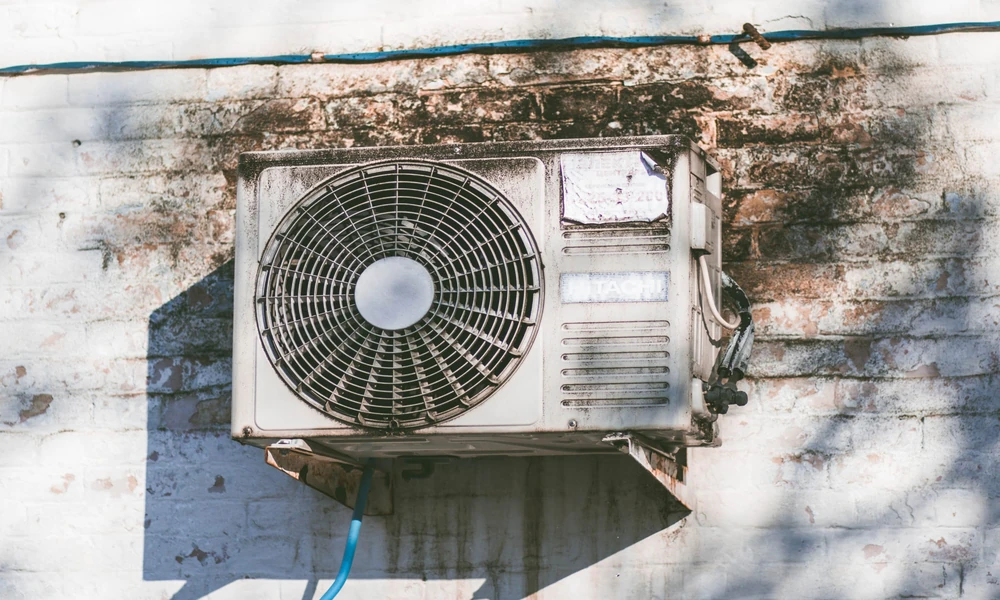
Homeowners shopping for a new system tend to compare brands, efficiency ratings and warranty lengths. Those numbers matter, but they describe the equipment in a lab. Once a system is in your house, its performance depends heavily on how it was sized, connected, charged and tested. Two identical units installed by two different crews can behave like completely different machines.
That gap is wider in Central Florida than in most places. The cooling season runs most of the year, humidity stays high even in spring, and attics bake through the summer. A shortcut that would go unnoticed in a mild climate shows up here as a high power bill, a clammy bedroom or a compressor that fails early.
For anyone weighing hvac installation in Dunnellon, it helps to know what a careful job looks like, and the shop on US Highway 41 is a useful reference point. It handles residential and light commercial work, installs and repairs all the major brands, and offers emergency service. The Lucas family started it in 1978, so it has seen several generations of equipment come and go in local homes. Whoever you hire, the stages below are where quality is won or lost.
Before Anyone Touches a Wrench
A good installation starts with a walkthrough, not a quote sent over the phone. The contractor should look at the existing equipment, the duct system, the attic, the electrical panel and the rooms that never seem comfortable. This visit is also your chance to share what you’ve noticed living in the house, and what you say should shape the proposal.
Useful questions to ask on that first visit include these.
- Will you measure the house and run a load calculation, or are you matching the size of the old unit?
- Will the existing ductwork be inspected, and what happens if it’s leaking or undersized?
- Are the indoor and outdoor components a certified matched pair?
- Who pulls the permit, and is the inspection included in the price?
- How will the system be tested before your crew leaves?
A contractor who answers these clearly, without getting defensive, is usually the one who takes the rest of the job seriously too.
The Number That Should Come Before the Price
Sizing is where many installs go wrong before any equipment arrives. Replacing a three ton unit with another three ton unit feels logical, but the original may have been chosen by guesswork decades ago. Since then the house may have gained insulation, new windows or a closed in porch, and any of those changes affects how much cooling it needs.
The industry standard for getting this right is a Manual J load calculation. It accounts for wall and attic insulation, window size and orientation, shading, air leakage and how many people live in the home. In a humid climate, an oversized system cools quickly and shuts off before it removes much moisture. An undersized system runs constantly and still falls behind in August. The U.S. Department of Energy’s guidance on central air conditioning stresses proper sizing and installation as being just as important as the equipment you pick.
Parts That Were Meant to Work Together
A central system is really two machines, an outdoor condenser and an indoor coil with its air handler. Manufacturers test specific combinations and publish efficiency ratings for those pairings through AHRI, the industry’s certification body. Pair a new condenser with an old indoor coil to save money and the rated efficiency on the brochure may no longer apply. Mismatches can also shorten compressor life and void parts of the warranty.
Efficiency ratings themselves changed recently. Equipment is now rated in SEER2, a testing method that better reflects real duct conditions, and the Southeast has higher minimum standards than northern states. A higher rating costs more upfront. Whether it pays back depends on how long you plan to stay and how hard the system will run, which in this part of Florida is very hard.
What Install Day Should Actually Look Like
The visible work, setting the outdoor unit and swapping the air handler, is the easy part. The steps that determine long term performance happen in less obvious places.
Copper refrigerant lines should be brazed with nitrogen flowing through them, which keeps scale from forming inside the pipe. The system should then be pulled into a deep vacuum and held there long enough to prove there are no leaks and no moisture left inside. Refrigerant charge should be set by measurement, not by topping off from the factory amount and hoping for the best.
The condensate drain needs a proper slope, a trap where the manufacturer calls for one, and a float switch that shuts the system off before water overflows into a ceiling. Duct connections at the new air handler should be sealed with mastic rather than tape alone. Airflow should be checked so the blower is moving the right amount of air across the coil.
Florida Rules Hidden Inside the Job
Some requirements are easy to overlook until an inspector points them out. Florida requires HVAC work to be done by a state licensed mechanical or air conditioning contractor, and replacements generally need a permit through the county. Outdoor units have to be anchored to resist hurricane winds, which is why you’ll see tie downs or straps on a properly set pad. Electrical disconnects and breaker sizes also have to match the new equipment’s specifications.
A permit can feel like paperwork, but the inspection is a second set of eyes on work you can’t easily judge yourself. It’s also something future buyers and insurers may ask about.
The Refrigerant Shift Buyers Keep Hearing About
New residential systems are moving away from R-410A toward refrigerants with lower climate impact, mainly R-454B and R-32, under the federal phase down. These newer refrigerants are classified as mildly flammable, so they come with updated handling procedures and equipment design. For homeowners, this mostly means making sure the installer has been trained on the new systems and that indoor and outdoor parts are built for the same refrigerant. Existing R-410A systems can still be serviced, which matters if you’re deciding between a major repair and a full replacement.
Judging the Work After the Truck Leaves
The first few weeks will tell you a lot. Here’s what to watch for during the first stretch of hot weather.
- The system should run in steady cycles on hot afternoons rather than switching on and off every few minutes.
- The condensate line outside should drip regularly on humid days.
- Rooms that used to lag behind should be noticeably closer to the thermostat setting.
- Indoor humidity, measured with a simple hygrometer, should settle below 60 percent.
- Your next few power bills should reflect the efficiency gain you paid for.
Keep the paperwork together, including the load calculation, the matched system certificate, the permit and the warranty registration. Schedule the first maintenance visit before the next summer arrives, because that check confirms the install is holding up. A system that’s sized correctly, installed carefully and looked after should be good for many Florida summers.
