

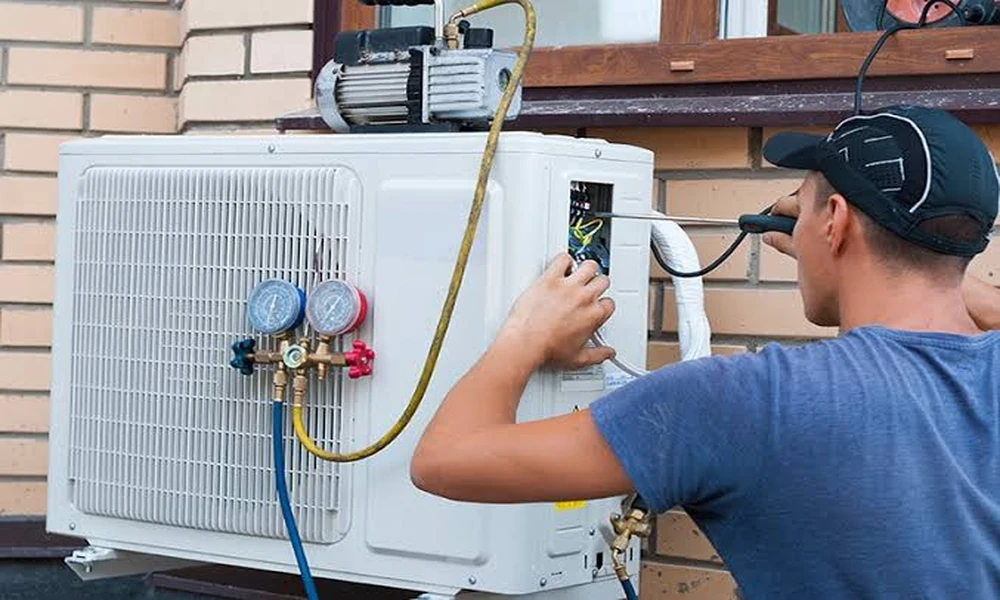
As cooler weather settles into Wallace, NC, having a dependable heating system becomes essential for keeping your home warm and comfortable. Whether you rely on a furnace, heat pump, or another type of heating equipment, even a small problem can affect performance, increase energy consumption, and eventually result in a costly repair. Recognizing early warning signs gives you a better chance of addressing the issue before it turns into a larger breakdown.When a heating problem requires professional attention, knowing what to look for in heating services for Wallace homes can help you make a more informed decision. From routine maintenance and repairs to system installation and replacement, professional HVAC support can help keep your home’s heating system operating safely and efficiently.
Uneven Heating Throughout the House
One room feels comfortable while another remains noticeably cold. This is one of the most frustrating heating problems because the thermostat may show that the system has reached the desired temperature.Uneven heating can have several causes, including blocked vents, restricted airflow, duct leaks, inadequate insulation, or problems with the heating equipment itself. ENERGY STAR notes that rooms with different temperatures can be linked to equipment operation, duct problems, or insufficient insulation.Start by checking that furniture, rugs, or curtains are not blocking supply and return vents. If the problem continues, have a professional inspect the ductwork and heating system rather than simply turning up the thermostat.
A Furnace That Runs Constantly
A heating system that seems to run nonstop may be struggling to reach the temperature set on the thermostat. A dirty filter is one possible cause because restricted airflow makes the system work harder.The U.S. Department of Energy recommends checking central heating filters monthly and replacing them when they become dirty. ENERGY STAR similarly recommends regular filter inspection and explains that a dirty filter can increase energy costs and contribute to equipment damage.Other possible causes include:An incorrectly calibrated thermostatPoor insulation or air leakageBlocked or leaking ductworkAn undersized heating systemMechanical problems within the furnace or heat pumpChanging a dirty filter is a reasonable homeowner task. If the system still runs continuously afterward, professional diagnosis is the safer next step.
Strange Noises From the Heating System
Heating equipment is not completely silent, but a sudden change in sound deserves attention. Rattling, banging, squealing, grinding, or repeated clicking can indicate that something inside the system needs inspection.Loose components, blower problems, airflow restrictions, or worn mechanical parts can all contribute to unusual sounds. Ignoring a new noise can allow a relatively manageable problem to become more serious.If you hear an unusual sound, turn your attention to when it occurs. A noise during startup may point to a different issue than one that continues throughout the heating cycle. Avoid opening or disassembling the equipment yourself, particularly when electrical or combustion components are involved.
Frequent Short Cycling
Short cycling occurs when a heater turns on and off repeatedly without completing a normal heating cycle. Besides making it difficult to maintain a consistent indoor temperature, frequent cycling can place additional strain on the system.A dirty filter, thermostat problem, restricted airflow, incorrect system sizing, or mechanical fault can contribute to the problem. Because there are several possible causes, replacing random components without identifying the underlying issue can waste both time and money.Check the filter first and make sure the thermostat is operating correctly. If short cycling continues, schedule an inspection so the cause can be identified properly.
Rising Energy Bills Without a Major Change in Usage
An unexpected increase in heating costs can sometimes signal that your system is losing efficiency. The equipment may still produce heat, but it may need to operate longer to achieve the same comfort level.Dirty filters and poorly maintained components can contribute to inefficient operation. Leaky or damaged ductwork can also waste heated air before it reaches living spaces. ENERGY STAR identifies frequent repairs, rising energy bills, temperature differences between rooms, and excessive dust as signs that a heating system or ductwork may need attention.Before assuming the heater needs replacement, have the entire system evaluated. Sometimes maintenance or a targeted repair can address the problem without replacing the equipment.
Poor Airflow From Vents
Weak airflow is another common complaint. If some vents produce only a small amount of warm air, the problem may involve a clogged filter, blocked register, blower issue, or damaged ductwork.Duct problems deserve particular attention. ENERGY STAR identifies disconnected or torn ducts, poorly sealed registers, leaks, and kinks in flexible ductwork as common sources of airflow problems.Make sure vents are open and unobstructed. If airflow remains weak, a professional can check the system and ductwork to determine where the restriction or loss is occurring.
Strange Odors When the Heater Turns On
A temporary dusty smell can occur when a heating system is used after sitting idle. However, persistent or unusual odors should not be dismissed.Burning smells, electrical odors, or unusual combustion-related smells warrant prompt attention. Gas- or oil-fired equipment requires particular care because burners, connections, and heat exchangers need to operate safely. ENERGY STAR recommends professional heating maintenance that includes checking gas or oil connections, burner combustion, and the heat exchanger.If you suspect a gas leak or carbon monoxide problem, leave the area and seek appropriate emergency assistance rather than attempting to diagnose the equipment yourself.
How to Prevent Heating Problems
Regular maintenance can catch developing issues before they become disruptive. ENERGY STAR recommends annual professional checkups and specifically suggests scheduling heating maintenance in the fall before winter demand increases.A practical maintenance routine includes:Check the air filter regularly and replace it when dirty.Keep supply and return vents unobstructed.Pay attention to new noises, odors, or temperature changes.Keep outdoor heat-pump units clear of obvious debris.Schedule professional heating maintenance before the coldest part of the season.Have persistent airflow, cycling, or performance problems professionally diagnosed.Routine maintenance should not replace professional inspections. Heating equipment contains electrical, mechanical, and, in some homes, combustion components that require appropriate expertise.
When Repair Makes More Sense Than Replacement
Not every heating problem means you need a new system. A straightforward repair or maintenance visit may restore normal operation, particularly when the equipment is otherwise reliable.Replacement becomes more worth considering when a system is aging, requires frequent repairs, produces consistently poor comfort, or has become inefficient. ENERGY STAR notes that homeowners with older furnaces, frequent repairs, rising energy bills, or persistent comfort problems may want to consider replacement.The right decision depends on the equipment’s condition, repair history, operating performance, and your home’s heating needs. A qualified HVAC professional can help you compare repair and replacement based on those factors.
Conclusion
Heating problems rarely improve by being ignored. Uneven temperatures, unusual noises, short cycling, weak airflow, strange odors, and unexplained energy increases can all indicate that a heating system needs attention.Simple steps such as replacing a dirty filter and keeping vents clear can help, but persistent problems deserve professional diagnosis. With regular maintenance and timely repairs, Wallace homeowners can keep their heating systems operating more reliably and address small issues before they turn into bigger ones.
