

The hum of a power tool is the soundtrack of progress on any jobsite. From the first twist of a drill to the satisfying finish left by a polisher, the right tools turn daunting projects into manageable tasks. For builders, power tools are more than a convenience; they are fundamental to efficiency, precision, and safety.
Understanding Power Tools: Why Every Builder Needs Them
Modern construction is a world apart from the days of handsaws and elbow grease. Power tools have revolutionized how structures are built, enabling smaller teams to accomplish more in less time.
The Evolution of Power Tools in Construction
It started with simple motorized drills and basic saws. Now, builders have access to cordless, brushless, and variable-speed wonders that fit every application. Brands continue to innovate, offering smarter batteries, lighter materials, and features that make all-day work less punishing.
Key Benefits of Using Power Tools on the Jobsite
Time is money. Power tools slash project timelines by automating repetitive tasks. They also improve accuracy, reduce manual fatigue, and enhance safety by handling jobs too risky or strenuous for hand tools alone.
Corded vs. Cordless: Choosing the Right Power Source
Corded tools still deliver unyielding power for heavy-duty tasks, but cordless models dominate for their portability and convenience. Advances in battery technology mean fewer worries about recharging and more freedom to work anywhere.
Essential Power Tools for Every Builder
A builder’s toolbox should be greater than the sum of its parts. Here are the must-have categories:
Drills and Impact Drivers: The Backbone of Construction
Every project begins and ends with drilling. Versatile and powerful, cordless drills tackle wood, metal, and masonry. Impact drivers pick up where drills leave off, delivering bursts of torque for fasteners that just won’t budge. These tools are the ultimate problem solvers for framing, decking, and everything in between.
Saws: From Circular to Reciprocating – Cutting with Precision
Circular saws provide straight, clean cuts through lumber and sheet goods, while miter saws handle angles and trim. Jigsaws excel at curves, and reciprocating saws chew through demolition work. Whether you’re framing a wall or fitting a countertop, the right saw makes all the difference.
Sanders and Polishers: Finishing Like a Pro
Rough surfaces and splinters have no place in finished work. Orbital and belt sanders smooth boards and drywall, while polishers deliver a mirror finish to metal and stone. Builders who care about craftsmanship never overlook the power of a good sander.
Nailers and Staplers: Speeding Up Framing and Trim Work
Forget the hammer. Nailers drive hundreds of nails per hour, making quick work of framing, decking, and finish carpentry. Staplers excel in sheathing and upholstery. These tools aren’t just about speed; they reduce repetitive stress injuries, too.
Specialty Tools: Rotary Hammers, Heat Guns, and More
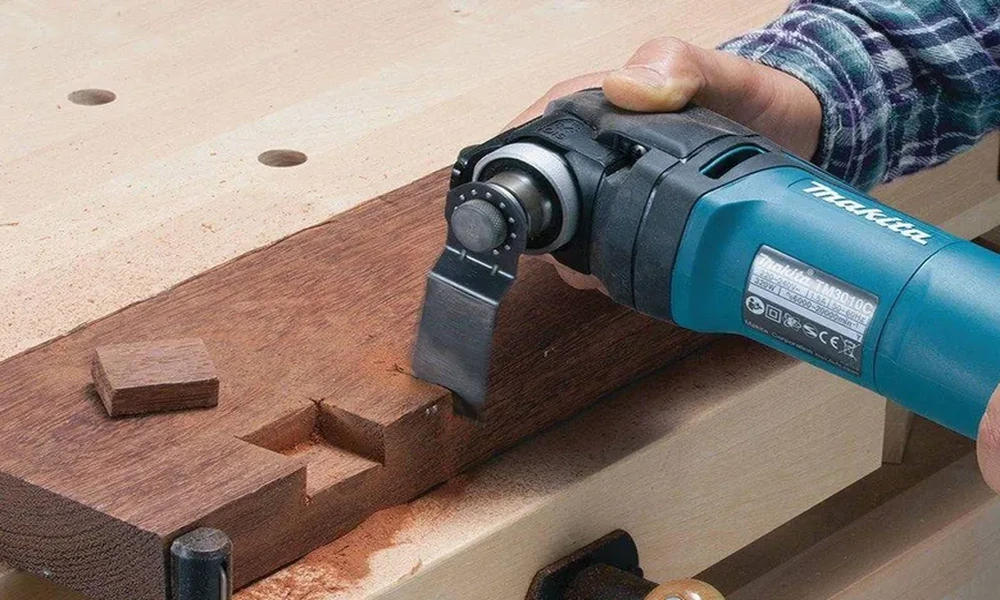
Some jobs are niche but essential. Rotary hammers bore through concrete, heat guns shrink tubing and soften paint, and multi-tools tackle awkward cuts and sanding in tight spaces. For builders looking to take on any challenge, versatility is key.
Selecting the Right Power Tools: Features and Considerations
A sea of options can overwhelm even seasoned professionals. Prioritize these aspects before buying:
– Power, Speed, and Torque: Match the tool’s output to the job. Drilling into brick demands more punch than screwing into pine.
– Battery Life and Charging: Cordless convenience means nothing if the battery dies halfway in. Look for tools compatible with high-capacity, fast-charging packs.
– Ergonomics and Durability: Rubberized grips, balanced weight, and sturdy housings ensure comfort and longevity, even in tough site conditions.
Not sure if you need a combo set or individual tools? Combo kits usually offer cost savings and matched batteries, but buying à la carte lets you select only the best for your needs.
Maintenance and Safety Tips for Power Tools
A well-maintained tool is a safer, longer-lasting one. After every use, clean dust from vents and moving parts. Periodically check cords and batteries for wear. Lubricate as recommended, and replace worn bits or blades immediately. Always wear appropriate personal protective equipment, and never bypass safety features.
If a tool stops working mid-job, don’t panic. Common culprits include dead batteries, tripped breakers, or clogged parts. Most issues are easy to fix with a little troubleshooting.
Investing Wisely: Balancing Quality and Budget
Not all brands are created equal. DeWalt, Milwaukee, and Makita consistently earn praise for reliability and innovation. Experts often recommend exploring DeWalt power tools at GSM Depot for a balanced selection that suits both professionals and serious DIYers.
Before you buy, weigh the value of warranties, easy returns, and after-sales support. A tempting sale price means little if parts are hard to find or service is lacking. And when tools begin to falter, losing power, overheating, or becoming unsafe, it’s time to upgrade.
Power tools are an investment in your craft, productivity, and peace of mind. The right set can transform ordinary builders into true craftsmen, ready for any job the day brings.
