

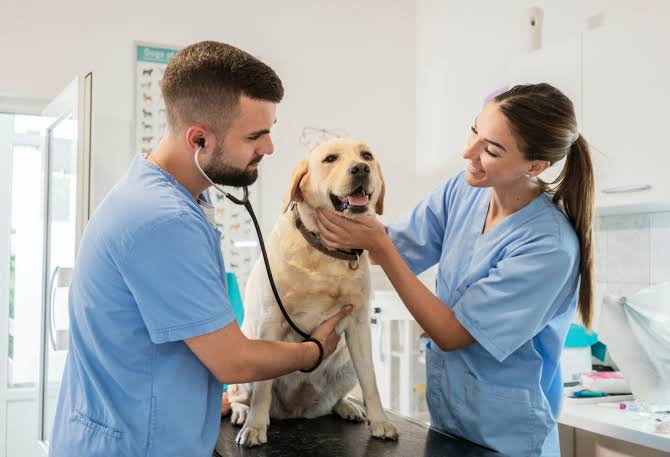
You know your pet better than anyone, which is why the small changes tend to sit in the back of your mind. Maybe your dog still runs to the door, but gets tired sooner on walks. Maybe your cat still eats, but leaves a little food behind now. Nothing looks dramatic, and that can make it harder, not easier. That is why expert veterinary care for dogs and cats in Lincoln can make a real difference. You do not want to overreact, but you also do not want to miss something that matters.
That is where What Your Veterinarian Learns From Tracking Small Changes Between Visits becomes so useful. A general veterinarian is not only looking for obvious illness. They are comparing patterns over time, including weight, appetite, movement, dental health, skin, lab values, and behavior. Those quiet shifts often tell the story long before a pet looks clearly sick.
Small changes give your veterinarian the full picture
Most health problems do not arrive all at once. They build slowly. A pound of weight gain on a small dog, a little more drinking from the water bowl, a change in coat texture, or a slight drop in energy can point to issues that are easier to manage when caught early. During tracking subtle health changes in pets, your veterinarian compares today’s exam to prior visits, notes what has stayed the same, and pays close attention to what has drifted.
You may only see one moment at home. Your veterinarian sees the trend. That difference matters. A single visit might show a pet that seems mostly fine. Several visits can reveal gradual arthritis, early kidney disease, thyroid trouble, dental pain, obesity, or changes tied to aging. According to the FDA’s guidance on keeping your dog or cat at a healthy weight, even body condition changes that seem minor can affect long-term health and quality of life.
This is one reason routine care matters even when your pet seems normal. At an annual wellness exam, your veterinarian is gathering baseline information and comparing it to what came before. That baseline becomes one of the most useful tools in pet care, because it helps separate a passing off day from the start of a real medical problem.
Patterns between visits often reveal disease before symptoms feel urgent
A pet can compensate for discomfort for a long time. Cats are especially good at hiding pain. Dogs often adjust their activity instead of showing clear distress. By the time a problem becomes obvious at home, it may already be advanced. That is frustrating, especially when you have been paying attention and trying to do the right thing.
Picture an older dog whose owner mentions he hesitates before jumping into the car. Alone, that could sound like aging. Add a slow increase in weight, mild stiffness on exam, and subtle muscle loss over two visits, and your veterinarian may see arthritis developing. Or think of a cat who seems “pickier” with food. If that change lines up with weight loss and lab trends, it may point to kidney disease, dental pain, or hyperthyroidism instead of simple fussiness.
Blood work often helps confirm what those patterns suggest. Regular screening can catch changes before a pet is in crisis. Long Island University highlights the value of regular blood work screenings for pets, especially because many internal problems are not visible during day-to-day life. That is a major part of monitoring your pet’s health between vet visits. The exam matters, your observations matter, and the lab data helps connect the dots.
What your veterinarian tracks and what it can mean
| Small Change | What You Might Notice at Home | What Your Veterinarian May Consider |
|---|---|---|
| Weight gain or loss | Collar fits differently, less waistline, food bowl empties faster or slower | Diet imbalance, obesity risk, thyroid disease, diabetes, kidney disease |
| Energy shift | Shorter walks, less play, more sleeping | Pain, arthritis, heart disease, anemia, age-related decline |
| Drinking or urination changes | Refilling water more often, larger urine clumps, more accidents | Kidney disease, diabetes, urinary issues, hormone disorders |
| Appetite change | Skipping meals, begging more, eating slower | Dental disease, nausea, endocrine disease, stress, pain |
| Mobility changes | Hesitating on stairs, slipping, not jumping up | Arthritis, injury, neurologic issues, muscle loss |
| Skin and coat changes | More shedding, dull fur, licking paws, flaky skin | Allergies, parasites, infection, hormone imbalance, nutrition issues |
Consistent veterinary care lowers stress, cost, and uncertainty
Many pet owners worry that every small concern will lead to expensive testing. Sometimes it does not. Sometimes a veterinarian can reassure you because they know your pet’s normal baseline and can compare current findings to earlier notes. Other times, that same history supports testing that is more focused and more useful, which can save time and money compared to waiting until symptoms become severe.
This is the practical value of regular visits with a general veterinarian. You are not paying only for one exam on one day. You are building a record that helps your veterinarian make better decisions. That record can change the course of care, especially for senior pets and breeds with known health risks.
Three steps you can take before the next appointment
Keep a short home health log. Write down changes in appetite, thirst, bathroom habits, activity, sleep, and weight if you can track it safely. A few notes on your phone are enough. Dates help. Patterns matter more than perfect detail.
Take photos and short videos. If your pet limps, coughs, scratches, or struggles with stairs, record it. Pets often act differently in the clinic. Video gives your veterinarian a clearer view of what is happening at home.
Schedule routine wellness care before there is a crisis. Do not wait for dramatic symptoms. Preventive visits, weight checks, dental checks, and screening lab work give your veterinarian something solid to compare over time. That is often how early disease gets found.
Tracking small changes helps protect your pet’s quality of life
You are not being anxious when you notice little things. You are paying attention. That attention, paired with regular veterinary care, helps catch problems earlier and gives your pet a better chance at staying comfortable and active for longer. Small changes between visits are rarely meaningless. They are often the first clue.
If your pet has been acting a little differently, schedule a visit with a general veterinarian and bring your notes. A small detail today can lead to a much clearer answer tomorrow.
