

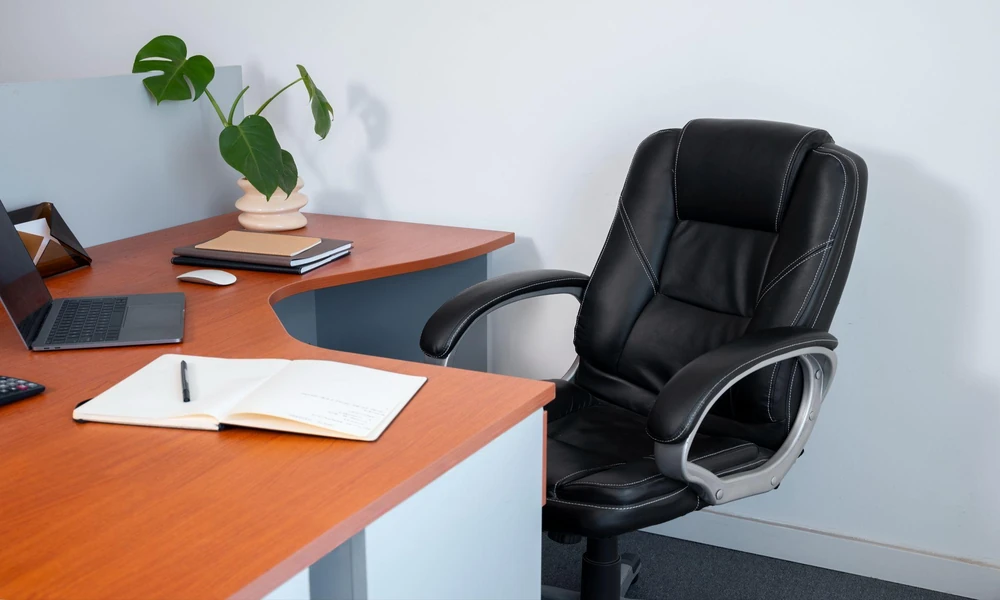
Key Takeaways
- Adjustable lumbar support helps maintain proper spinal alignment during long sitting hours.
- Seat depth adjustment ensures better leg support and reduces pressure points.
- 4D armrests improve upper body comfort during typing and desk work.
Introduction
Selecting the right office chair, which is a vital part of your home furniture, has become a practical concern as more people spend extended hours at their desks, making an ergonomic chair an essential part of daily work setups. Discomfort does not usually appear immediately, yet it builds over time when seating fails to support posture correctly. Many users only recognise the impact when fatigue sets in or when posture begins to shift unconsciously. A well-designed chair addresses these issues by supporting natural movement and reducing strain, which makes it important to understand which features actually contribute to long-term comfort rather than relying on appearance alone.
1. Adjustable Lumbar Support for Lower Back Stability
Lower back support determines how well a chair maintains spinal alignment during extended use. An ergonomic chair with adjustable lumbar support allows users to position the support according to their body shape, ensuring that the lower spine remains supported rather than compressed. Without this feature, users often compensate by leaning forward or slouching, which gradually leads to discomfort. Proper adjustment helps distribute weight evenly and encourages a more natural sitting position throughout the day.
2. Seat Depth Adjustment for Proper Leg Positioning
Seat depth influences how the thighs rest on the chair and how pressure distributes across the legs. A sliding seat mechanism allows users to adjust the depth so that there is adequate space between the seat edge and the back of the knees. When this balance is correct, circulation improves and pressure points reduce. If the seat is too short or too long, users may shift their posture frequently to compensate, which interrupts focus and comfort during work.
3. 4D Armrests for Upper Body Support
Armrests play a key role in reducing strain on the shoulders and wrists, especially during tasks that involve typing or mouse use. Just as you would seek quality for a sofa in Malaysia to ensure long-term comfort in your living area, prioritising adjustability in your office chair prevents strain. 4D armrests provide multiple adjustment directions, allowing users to align their arms with their desk height and typing position. This flexibility supports a neutral posture and prevents tension from building in the upper body. When armrests remain fixed, users often adapt their posture in ways that lead to discomfort over time.
4. Breathable Material for Temperature Regulation
Material choice affects how comfortable a chair remains throughout the day. Breathable fabrics or mesh designs allow air circulation, which helps regulate temperature and reduces heat build-up. In warmer environments, this feature becomes particularly important for maintaining comfort during prolonged use. Materials that trap heat can lead to discomfort and frequent adjustments, which disrupt workflow and reduce overall seating satisfaction.
5. Recline Function with Tension Control
A recline mechanism allows users to shift their posture without leaving the chair, which supports movement and reduces static pressure on the spine. Tension control ensures that the recline matches the user’s weight and preference, providing support rather than instability. This feature encourages subtle movement throughout the day, which helps maintain comfort and reduces the effects of prolonged sitting.
6. Adjustable Headrest for Neck Support
Neck support becomes increasingly important for users who spend long hours in front of screens. An adjustable headrest allows the chair to support the natural curve of the neck, especially during moments of rest or recline. Without this support, users may strain their neck muscles, particularly when leaning back or shifting posture. Proper alignment helps maintain comfort and reduces tension in the upper spine.
7. Stable Base and Smooth Mobility
A sturdy base ensures that the chair remains balanced during movement, while smooth-rolling casters allow users to shift positions without strain. Stability supports confidence in movement, especially in dynamic workspaces where users frequently reach or turn. Poor stability can lead to hesitation or awkward adjustments, which affect both comfort and efficiency during daily tasks.
8. Intuitive Adjustment Controls for Ease of Use
Ease of adjustment determines whether users actually take advantage of a chair’s features. Controls that are easy to reach and understand encourage regular adjustments, which supports comfort throughout the day. When controls feel complicated or inaccessible, users may avoid making changes, even when discomfort arises. A well-designed chair integrates adjustments seamlessly into everyday use.
Conclusion
An ergonomic chair supports more than posture, as it shapes how users interact with their workspace over time. Features that allow adjustment and flexibility contribute to a seating experience that adapts to individual needs rather than forcing a fixed position. Understanding these elements helps users choose a chair that supports both comfort and productivity without relying on trial and error.
Contact Harvey Norman Malaysia to find an ergonomic chair that matches your workspace and long-term comfort needs.
