

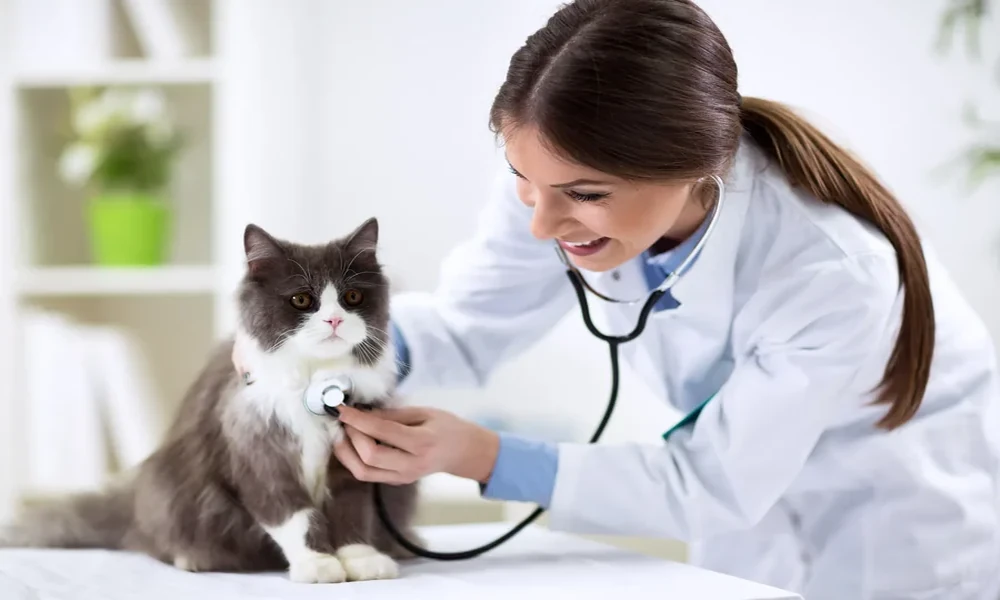
You might be feeling that mix of worry and guilt that shows up the moment your pet seems off. Maybe your dog skipped breakfast, your cat is hiding under the bed, or you noticed a limp that was not there yesterday. Before that moment, your pet felt steady and familiar. After it, everything can feel uncertain. That is often when an animal hospital becomes more than a place on a map. It becomes the place you turn when you need answers, care, and a plan from a compassionate veterinary team in Devonshire.
If you are trying to understand what kind of help you can expect, the short answer is this. Most hospitals for pets provide preventive care, diagnostic testing, surgery, urgent treatment, and dental services. Together, these five forms of care support your pet through routine checkups, sudden illness, and the hard moments you never really plan for.
When your pet seems fine, why does preventive care at an animal hospital matter so much?
It is easy to wait until something is clearly wrong. That makes sense. Pets cannot explain what hurts, and life gets busy. Still, routine exams are often where hidden issues first come to light. A veterinarian may catch early dental disease, weight changes, skin problems, or heart concerns before they become more painful and more expensive to treat.
Preventive care usually includes wellness exams, vaccines, parasite prevention, nutrition guidance, and lab screening when needed. This kind of support matters not just for your pet, but for your whole household. The CDC’s healthy pets guidance explains how regular care, hygiene, and parasite control can lower health risks for both animals and people. So, where does that leave you? It means a simple visit today may help you avoid a crisis later.
What happens when symptoms are vague and you need answers fast?
This is where diagnostics come in, and for many families, this is the most stressful part. You know your pet is not acting normal, but you do not know why. Is it a stomach bug, an infection, a blockage, or something more serious? Waiting without answers can be harder than hearing the diagnosis itself.
An animal hospital services team often uses bloodwork, urinalysis, X rays, ultrasound, and other tests to narrow things down. These tools help your veterinarian move from guessing to knowing. That matters because treatment decisions depend on the cause. A pet who is vomiting may need diet support, medication, emergency surgery, or hospital monitoring. The symptoms can look similar, even when the problem is very different.
Teaching and referral centers also show how broad this level of care can be. The University of Illinois Veterinary Teaching Hospital is one example of how advanced diagnostics and specialty support help guide treatment for complex cases.
Why are surgery and urgent treatment part of the 5 essential services every animal hospital provides?
No one likes to imagine their pet needing surgery, but this is one of the clearest reasons hospitals matter. Spay and neuter procedures are common, but surgery can also include mass removal, wound repair, foreign body removal, and orthopedic care. In urgent cases, timing matters. If your dog swallows a toy or your cat stops eating and becomes weak, delays can raise the risk and the cost.
Urgent treatment also covers problems like breathing trouble, poisoning, severe vomiting, allergic reactions, injuries, and sudden pain. In those moments, you are not looking for perfection. You are looking for a team that can assess your pet quickly, stabilize them, control pain, and tell you what comes next. That is the quiet value of a veterinary hospital. It brings together staff, equipment, and processes that support fast decisions when emotions are running high.
Is dental care really a core animal hospital service, or can it wait?
Many people are surprised by this one. Dental disease is common in pets, and it does not just cause bad breath. It can lead to pain, infection, tooth loss, and trouble eating. In some cases, bacteria from dental disease may affect other parts of the body as well. The hard part is that pets often keep eating and acting normal until the discomfort is advanced.
Dental care at a hospital can include oral exams, cleanings, imaging, extractions, and home care advice. If your pet paws at the mouth, drops food, chews on one side, or has red gums, it is worth getting checked. This is one of those areas where waiting often means a more involved procedure later.
How do these pet hospital services compare when you are deciding what to schedule first?
When everything feels important, it helps to sort care by purpose and timing. This simple table can help you think through what each service is for and when it usually becomes urgent.
| Service | Main Purpose | When to Seek It | What It May Prevent |
|---|---|---|---|
| Wellness and vaccines | Track health and prevent disease | Yearly or as advised | Serious infections, missed early illness |
| Diagnostics | Find the cause of symptoms | When behavior, appetite, or energy changes | Delayed treatment, avoidable complications |
| Surgery | Treat conditions that need a procedure | When recommended after exam or testing | Worsening pain, internal damage, infection |
| Urgent care | Stabilize sudden or severe problems | Immediately for emergencies | Life threatening decline |
| Dental care | Manage oral pain and infection | At first signs or during routine care | Tooth loss, chronic pain, deeper infection |
What can you do right now if you want to be ready before something goes wrong?
1. Schedule a wellness baseline. If your pet has not had a recent exam, start there. A baseline visit gives your veterinarian a clearer picture of your pet’s normal weight, heart rate, dental health, and risk factors.
2. Watch for small changes and write them down. Appetite, water intake, bathroom habits, energy, coughing, limping, and behavior all matter. Patterns help vets make faster, better decisions.
3. Ask what services your local animal care hospital handles in house. Some hospitals provide imaging, surgery, dental care, and urgent treatment on site. Knowing that ahead of time can save precious time during a stressful moment.
What does all this mean for you and your pet?
If you have ever felt unsure about when to call, that is normal. Most people wait because they hope the problem will pass, or because they are trying to balance concern with cost. But understanding the 5 essential services every animal hospital provides can make those decisions feel less heavy. Preventive care, diagnostics, surgery, urgent treatment, and dental support each play a different role, and together they protect your pet’s comfort, health, and safety.
Your pet depends on you, and you do not have to know everything to do the right thing. You just need to notice change, trust your concern, and reach out when something feels off.
