

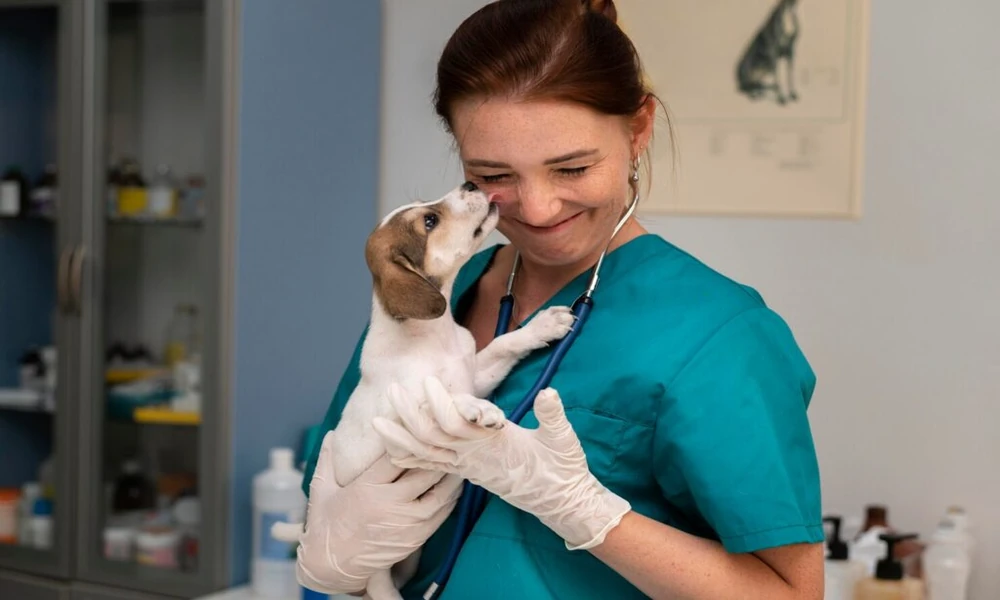
You might be feeling the pressure of making the right call for your pet, especially when every clinic website seems warm and welcoming, yet you still have no clear way to tell which one is truly the best fit, including options like Hillsdale animal hospital. Before you choose, it can feel like a simple search. After a rushed appointment or a missed concern, it can feel much more personal. Your pet cannot explain what hurts, so the choice lands on you, and that weight is real.
If you are trying to sort through your options, the good news is that finding a good fit does not have to come down to luck. The right general veterinarian should offer clear communication, practical care, fair policies, and a setting where you feel heard. A little research now can save stress, money, and second guessing later.
What makes choosing a general veterinarian feel harder than it should?
On the surface, it seems easy. You search for a clinic, read a few reviews, and book a visit. But once you look closer, the questions start stacking up. Does this doctor explain things clearly? Will they push tests you do not understand? Can they handle routine care and spot early warning signs before a small issue turns into a crisis?
Because of this tension, you might wonder what really matters most. Price matters, of course, but cost alone does not tell you how a clinic treats pets or people. Convenience matters too, but the closest office is not always the one you will trust when your pet is sick at 7 p.m. That is why a thoughtful search for a primary care vet is worth your time.
It also helps to remember that routine veterinary care protects more than your pet. It supports your household and your wider community. The CDC shares useful guidance on healthy pet care and disease prevention, which is a helpful reminder that preventive care, vaccines, and good communication all work together.
So what are the 6 tips for finding the right general veterinarian?
1. Start with the basics of preventive care. A strong clinic should be comfortable handling wellness exams, vaccines, parasite prevention, nutrition guidance, and common illnesses. If a practice seems unclear about routine care, that is worth noting. A dependable veterinarian for pets should make preventive care feel organized, not confusing.
2. Pay attention to how they communicate. You should not leave an appointment more confused than when you arrived. A good vet explains options in plain language, answers questions without making you feel rushed, and tells you what is urgent and what can wait. If your pet needs testing, the clinic should explain why. For example, pet owners often benefit from understanding diagnostic tools such as those described in Auburn’s pet diagnostic testing resources.
3. Look at the clinic’s systems, not just its branding. A polished website is nice, but real care often shows up in quieter ways. Can you get a timely appointment? Does the staff return calls? Are estimates discussed before treatment? Are follow up instructions clear? These details shape your experience more than a slogan ever will.
4. Check credentials and trusted networks. Training and professional ties matter, especially if your pet later needs a referral. Some pet owners look for networks connected to teaching institutions. For example, Cornell recently highlighted a tool that helps users find a nearby Cornell trained veterinarian. That may not be the only standard to use, but it shows how background and training can guide your search.
5. Think about emergency planning. Even when you are choosing a clinic for annual exams, ask what happens after hours. Do they coordinate with an emergency hospital? Can they send records quickly? What if your pet has a reaction to a new medication on a weekend? The right clinic should have a clear answer.
6. Trust the visit, not just the reviews. Online reviews can help, but they rarely tell the whole story. One family may care most about speed, while you may care more about thorough explanations. During your first visit, notice how your pet is handled, whether the exam feels careful, and whether the doctor listens before speaking. That first interaction often tells you more than ten online ratings.
How can you compare your options without feeling overwhelmed?
When you are looking at several clinics, it helps to compare the points that affect day to day care. A simple side by side view can keep emotion from taking over the decision.
| What to Compare | Why It Matters | What a Good Sign Looks Like |
|---|---|---|
| Appointment availability | Fast access helps with sudden but non emergency issues | Reasonable wait times for sick and wellness visits |
| Communication style | Clear explanations reduce stress and poor decisions | Staff answers questions in plain language |
| Preventive care plan | Routine care catches problems early | Vaccines, testing, parasite control, and diet guidance are explained clearly |
| Pricing transparency | Unexpected costs can create real strain | Estimates are discussed before treatment |
| Referral and emergency support | Serious issues need smooth coordination | Clear after hours plan and referral process |
So, where does that leave you? Usually with a choice between a clinic that is merely available and one that feels prepared. That difference matters when your pet is anxious, aging, or dealing with a condition that may need ongoing monitoring.
What can you do right now to find the right veterinary care?
Make a short list of three clinics. Do not compare ten at once. Pick three and review their services, hours, emergency process, and approach to routine care. This keeps the search manageable and helps you notice meaningful differences.
Call and ask three direct questions. Ask how they handle urgent same day concerns, whether they provide written estimates, and what their follow up process looks like after an exam or test. Their answers, and the tone behind them, can reveal a lot.
Book a wellness visit before there is a crisis. The best time to evaluate a vet is when your pet is stable. You will think more clearly, and you will have time to decide whether this is the right long term fit for your pet and your family.
What should you remember as you make your choice?
Choosing the right animal doctor is not about finding a perfect clinic. It is about finding a trusted partner who sees the full picture, explains what matters, and helps you care for your pet with more confidence. If you have been putting off the search because it feels like one more hard decision, that is understandable. Still, a little care now can make life much easier later.
Your pet depends on you, and you do not have to get every detail perfect to make a good choice. Start with the basics, ask clear questions, and pay attention to how a clinic makes you feel. That steady approach often leads you to the right general veterinarian.
