

Key Takeaways
- Inspect the underside for reinforcement that supports the weight of the marble slab.
- Natural veining varies, so reviewing the actual slab helps align expectations.
- A stable base prevents long-term structural issues and improves durability.
Introduction
Selecting a marble tabletop dining set in Singapore frequently starts with a trip to a furniture showroom, where aesthetic appeal frequently takes precedence over structural considerations. While the polished surface and natural veining create an immediate impression, the quality of the material and construction determines how well the piece performs over time. Many buyers focus on colour and size, yet small details such as finishing, reinforcement, and balance affect daily use. Taking time to inspect each component ensures that the dining set meets both aesthetic expectations and practical requirements before making a commitment.
1. Surface Condition and Finishing Quality
The surface of a marble dining table reflects both the natural characteristics of the stone and the quality of its finishing process. When inspecting the tabletop, it helps to look closely for small imperfections such as pitting or uneven polish. Natural veins should feel smooth and integrated into the surface rather than raised or rough. Observing how light reflects across the table provides insight into the consistency of the finish. A well-treated surface also indicates proper sealing, which protects the marble from stains and moisture during regular use.
2. Reinforcement Beneath the Marble Slab
Marble requires proper support due to its weight and rigidity, which makes the underside of the tabletop an important area to examine. Many high-quality sets include a reinforcement layer that stabilises the slab and reduces the risk of cracking. This structure distributes weight more evenly and helps absorb minor vibrations that occur during daily use. Without this support, even a visually appealing table may develop structural issues over time. Checking this detail ensures that the table remains durable under consistent use.
3. Stability of the Base Structure
The base of a marble table top dining set in Singapore carries the full weight of the marble, which makes its construction critical to overall stability. A well-designed base should feel balanced and secure when slight pressure is applied to different areas of the table. Loose joints or uneven alignment can lead to gradual shifting, which affects both safety and comfort. Sitting at the table and gently testing its stability provides a practical way to assess whether the structure can support regular use without issues.
4. Consistency of Natural Veining and Colour
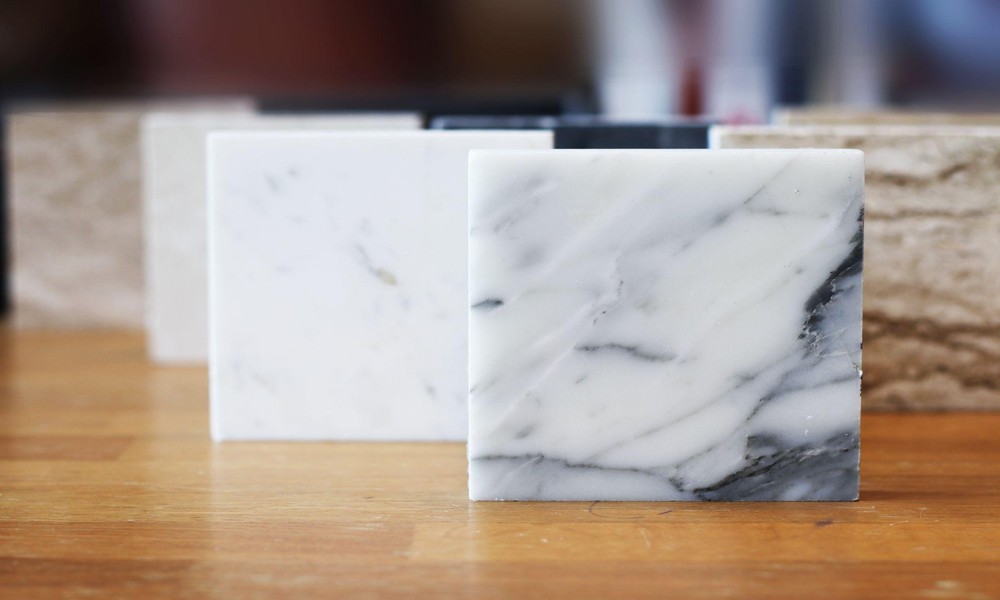
Each marble slab features unique patterns, which means the display piece may differ from the final product. Viewing the actual slab or requesting images of available stock helps ensure that the chosen design aligns with expectations. Variations in veining and tone are natural, yet significant differences can affect how the table fits within an existing space. Taking time to review these details prevents misunderstandings and ensures that the final selection meets both visual and design preferences.
5. Sealant Quality and Maintenance Requirements
The protective sealant applied to marble influences how well the surface resists stains and wear. Understanding the type of sealant used and how it performs under everyday conditions helps set realistic expectations for maintenance. Some finishes require periodic reapplication, while others offer longer-lasting protection. Clarifying these requirements allows buyers to plan for upkeep and maintain the table’s appearance over time without unexpected effort.
6. Weight Distribution and Practical Use
A marble dining table must handle regular use, including the placement of dishes, movement of chairs, and occasional pressure from leaning or shifting items. Even weight distribution across the structure ensures that no single point bears excessive strain. Observing how the table responds to light interaction during inspection gives a sense of its long-term performance. This step connects structural design with everyday functionality, which is essential for a piece used frequently.
Conclusion
Inspecting a marble dining set requires attention to both visible details and hidden construction elements. When surface quality, structural support, and material variation are all considered together, the decision becomes more informed and reliable. This approach ensures that the chosen piece supports daily use while maintaining its visual appeal over time.
Before making a choice, get in touch with TheFurniture to see a marble tabletop dining set in Singapore and evaluate its quality in person.
