

If you’ve explored the world of cannabis, you’ve likely heard claims about sativa energizing users while indica supposedly ensures relaxation. Yet, these broad brushstrokes can be misleading and oversimplified. The truth is more nuanced, with scientific evidence painting a different picture than popular myths suggest.
Understanding the actual distinctions between sativa, indica, and hybrid strains means stepping past folklore into proven facts, this includes busted misconceptions about their effects on your body and mind. Let’s first sift through the pile of fiction to uncover what science says about Sativas.
Sativa Myths vs Scientific Realities
You’ve probably heard the common take on sativa strains: they’re energizing, creativity-boosting, and perfect for daytime use. But if you’re basing your experience purely on those assumptions, it might be time to dig deeper. At Top Shelf Hemp, we believe cannabis education should go beyond outdated labels, and the science agrees.
Experts like neuroscientist Nick Jikomes and geneticist Sean Myles have found that the differences between sativa and indica aren’t as clear-cut as many think. Their research shows there’s no consistent pattern in THC levels or effects tied strictly to these categories. In fact, many strains labeled “sativa” or “indica” share more similarities than differences when you examine their genetics or chemical makeup.
What really influences your experience? It comes down to cannabinoids and terpenes. Compounds like myrcene, which may promote relaxation, or limonene, known for its mood-lifting properties, can shape how a strain feels far more accurately than plant height or leaf shape ever could.
So instead of focusing on strain names, we encourage our community to learn what’s actually inside their product. That’s the Top Shelf Hemp way: empowering you to choose what works best for your lifestyle, based on facts, not folklore.
Indica Misconceptions Clarified
Ease into your cannabis experience by unpacking the real differences between Indica and Sativa. Clarifying these common misconceptions can help align expectations with experiences.
- The origin stories of Indica and Sativa set them apart, but don’t define their modern effects. Indica strains, first classified in the 18th century from Hindu Kush regions, were once associated strictly with sedative qualities. However, due to extensive hybridization over time, some may exhibit uplifting characteristics traditionally attributed to Sativas.
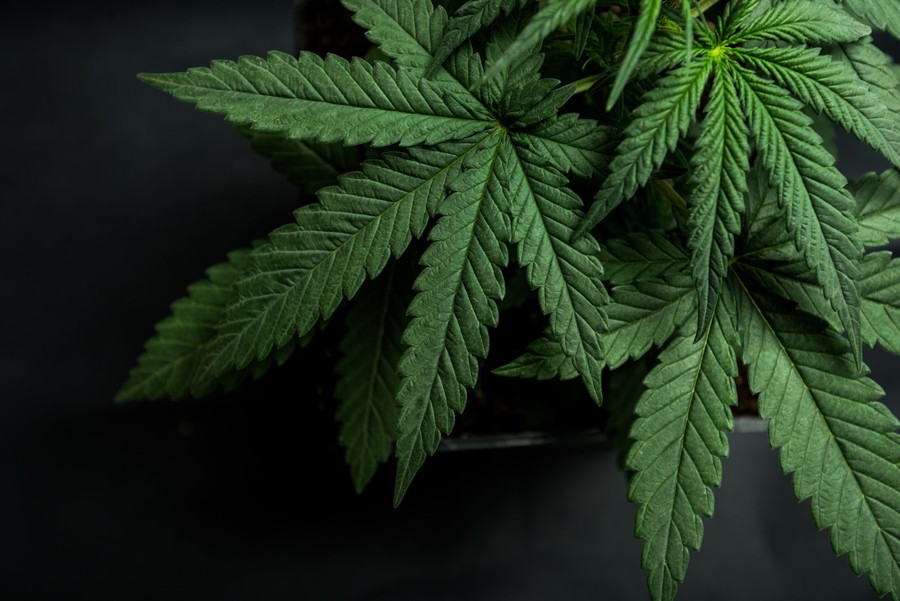
- Physical traits like leaf shape or plant height often mislead consumers about a strain’s genetics and potential impact. While an Indica might present wide leaves suggesting relaxation-inducing properties, its genetic profile could lean towards the energizing effects typically related to narrower-leaved Sativas, underlining why assuming physical appearance dictates effect is flawed logic.
- Understanding potency and personal tolerance matters more than broad classifications for optimal results when using cannabis products. Although many turn to particular types labeled as ‘Indicas’ for nighttime relief or ‘Sativas’ for daytime activity boosts, both body chemistry and dosage levels are pivotal in determining efficacy, making it important not just what you consume but how much you start with on your journey toward wellness or recreation.
You’ve got the scoop now: Sativa energizes, Indica relaxes, and Hybrids offer a mix. But keep this in mind: effects vary widely due to individual plant chemistry. At Top Shelf Hemp, we stress that cannabinoids and terpenes dictate your experience more than plant type does.
Don’t get caught up in oversimplified myths; pay attention to each strain’s unique profile for the best results. Stay curious about cannabis varieties and enjoy responsibly as you explore what works for you!
